


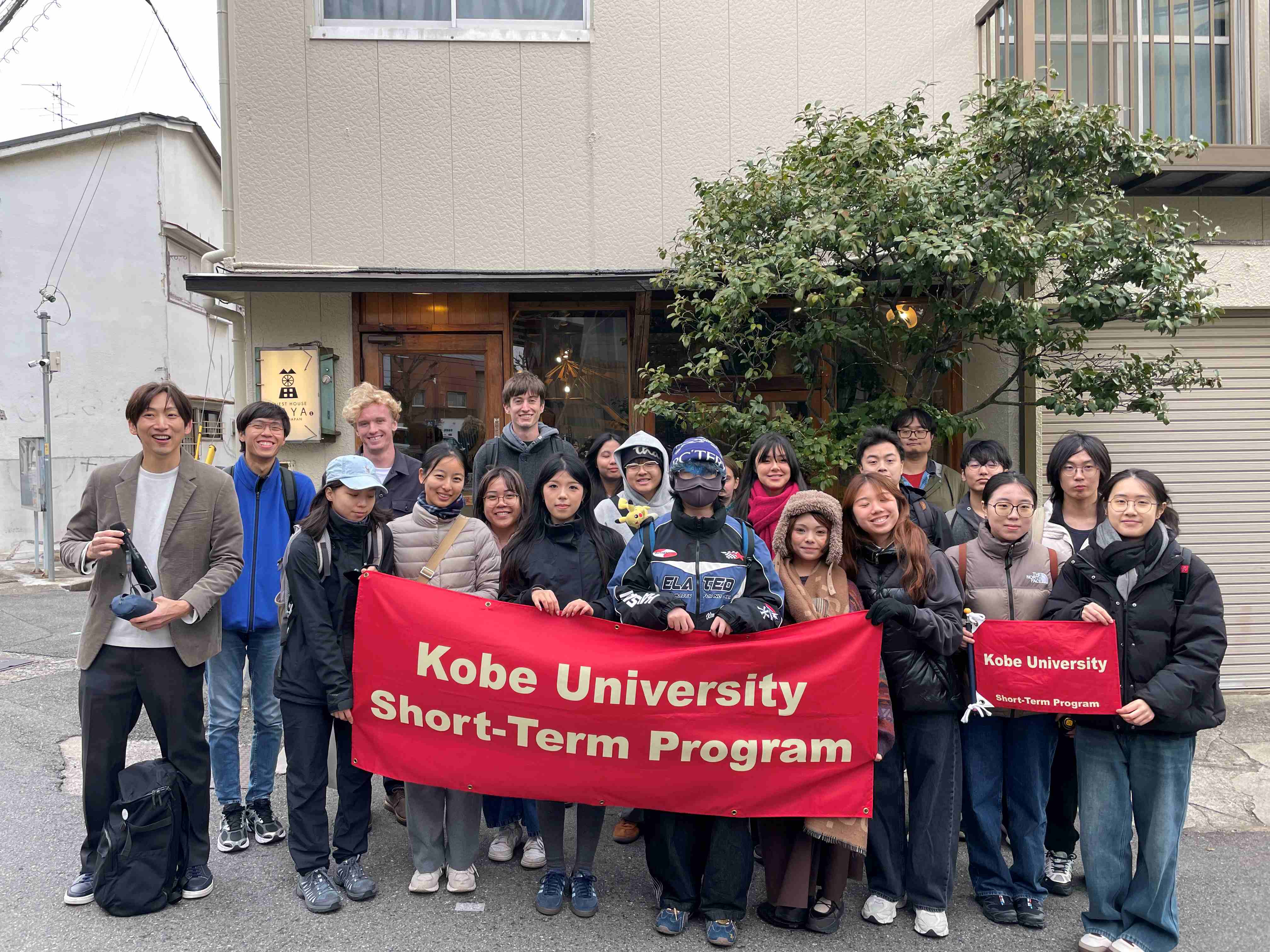
The Global Education Center organized a short-term program titled “Kobe Japanese Program January 2026.” The program was held over approximately three weeks, from Tuesday, 6 January to Tuesday, 27 January 2026, marking the seventh time it has been offered. Designed for students studying Japanese at universities in Australia and New Zealand, the program combined intensive Japanese language classes with area studies focusing on the Kobe region.
This year, a total of 20 students participated. They came from five Australian universities–The University of Sydney, The University of Western Australia, The University of Newcastle, The University of New South Wales, and Monash University– and from Victoria University of Wellington in New Zealand. In addition to attending Japanese language classes, participants also participated in five area studies sessions that explored various aspects of the Kobe region.
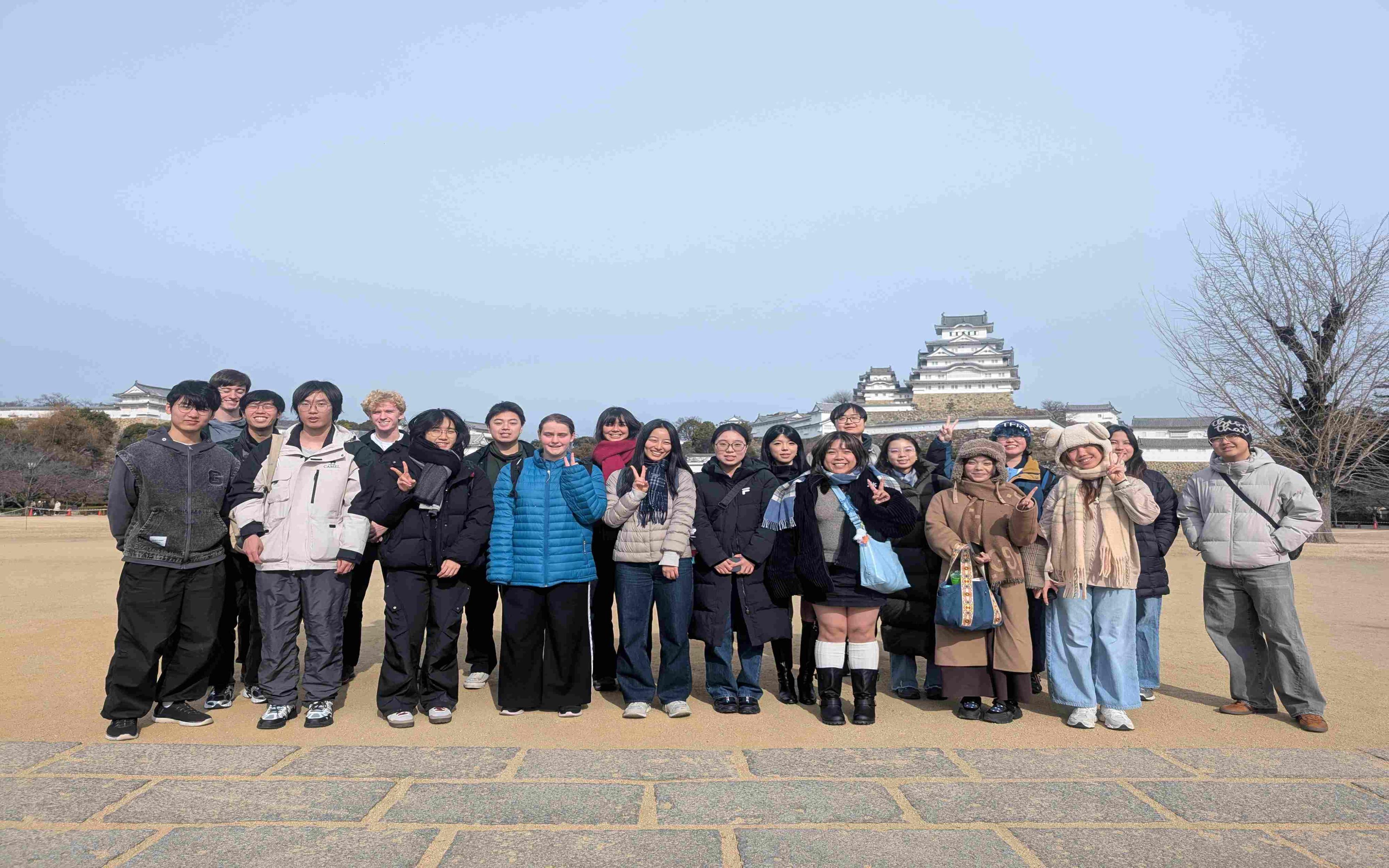
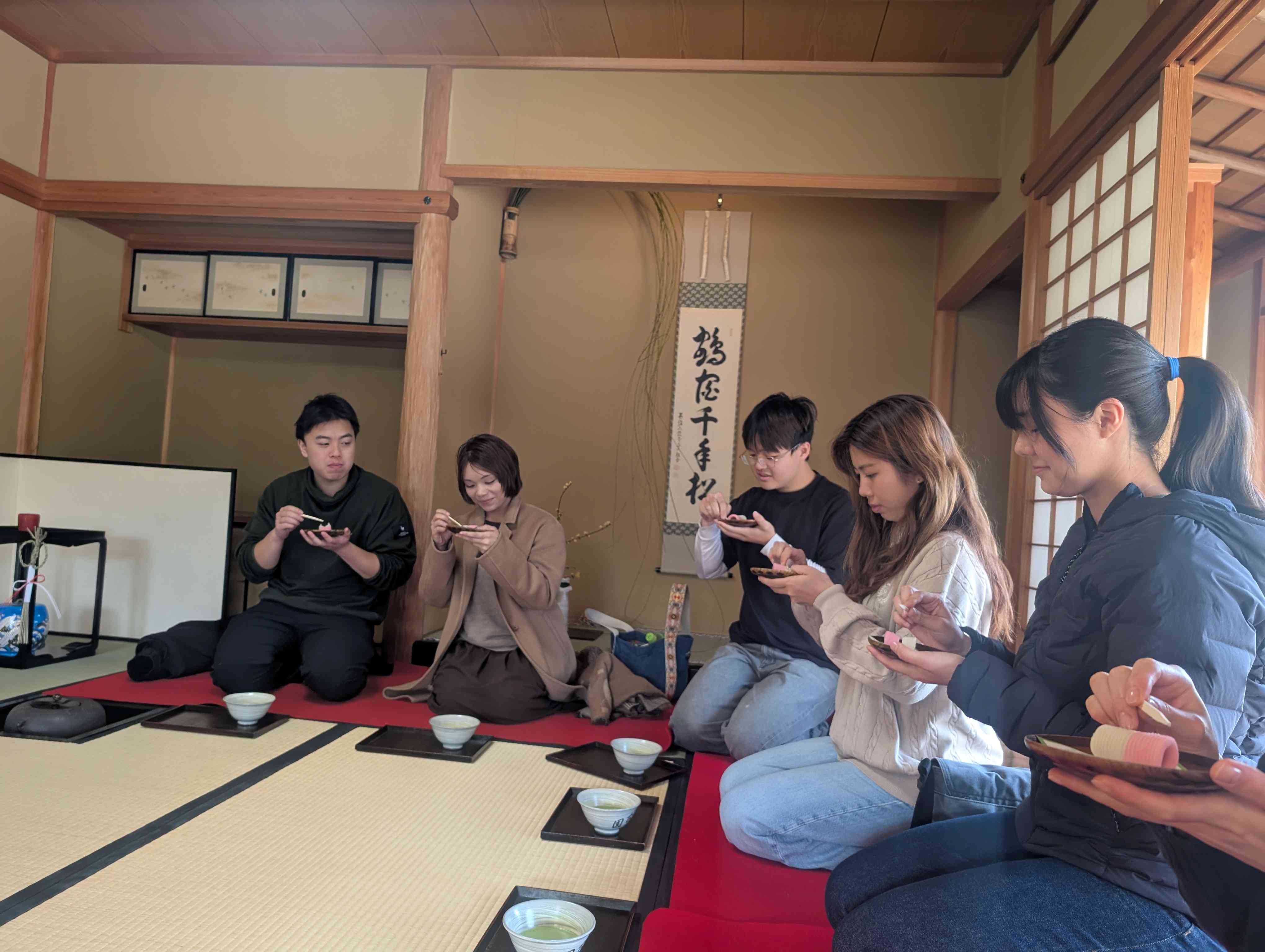
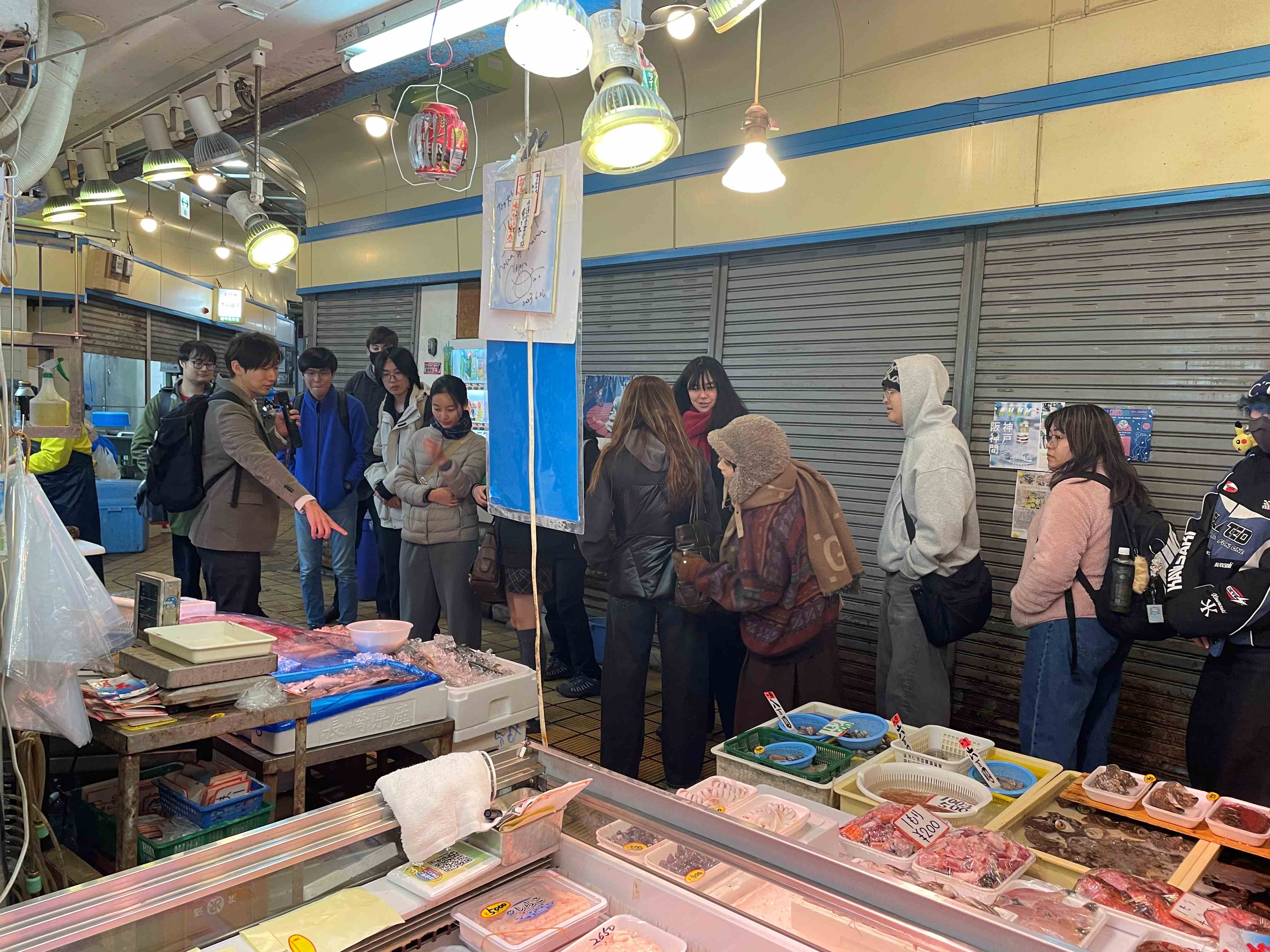
A distinctive feature of the program was its area studies component, which provided firsthand experiences of the history, society, and culture of Kobe and the surrounding area. Professor Jong Woo Park of the Global Education Center delivered a lecture on the geography and history of Kobe and guided students on a walking tour of the city’s central areas, including Motomachi and Sannomiya. Mr. Chul Woong Park, who runs a guesthouse in the Rokko–Maya area, introduced the local community through a lecture and a guided tour of Suidosuji Shopping Street. Participants also visited Himeji Castle and Kokoen Garden, where they engaged with Japanese history and culture in a traditional setting.

Assistant Professor Mizan Bustanul Fuady Bisri of the Graduate School of International Cooperation Studies delivered a lecture on natural disasters and disaster prevention, focusing on the Great Hanshin–Awaji Earthquake. This was followed by a visit to the Disaster Reduction and Human Renovation Institution, allowing students to deepen their understanding of disaster preparedness in Japan. In addition, Ms. Ramiya Kanai– proprietor of the long-established ryokan Goshobo in Arima and a former international student at Kobe University– gave a lecture on Arima Onsen and the historical development of the Arima area. Students also enjoyed a hands-on tour at her ryokan.
Through these activities, the participants gained a deeper understanding of Kobe and its surrounding region. They were also inspired by the instructors and by senior international students, including Kobe University alumnus Mr. Andrei Herinean, who accompanied the Kobe tours as an interpreter and shared insights about studying and building a career in Japan.
Several extracurricular activities were also organized. During the lunch break on Friday, 9 January, a networking session was held with Kobe University students. Participants interacted with students preparing to study in Australia as well as those who had recently returned from studying in Australia. Since the visiting students were at the upper-beginner level of Japanese, conversations took place mainly in English; however, having opportunities to communicate directly in Japanese appeared to increase their motivation to continue learning the language. On Saturday, 17 January, volunteer participants visited the Sawanotsuru Sake Museum. Guided by Mr. Makino from the museum, they learned about the history of sake brewing and the distinctive features of the Nada Gogo region. Other international students currently studying at Kobe University also joined this activity, offering additional opportunities for cultural exchange.
On Tuesday, 27 January, the final day of the program, students gave group presentations in Japanese. Presentation topics included aspects of the area study classes and their favorite discoveries in Kobe. It was impressive to see how confidently they spoke in Japanese, especially considering how nervous many had been on the first day. After the presentations, certificates of completion were awarded, followed by a farewell party. Some expressed a desire to return to Kobe University in the future to further their studies of Japanese language and culture. We also hope to welcome them back to Kobe again someday.
Website for Kobe Japanese Program January 2026
(Global Education Center)