


Overview
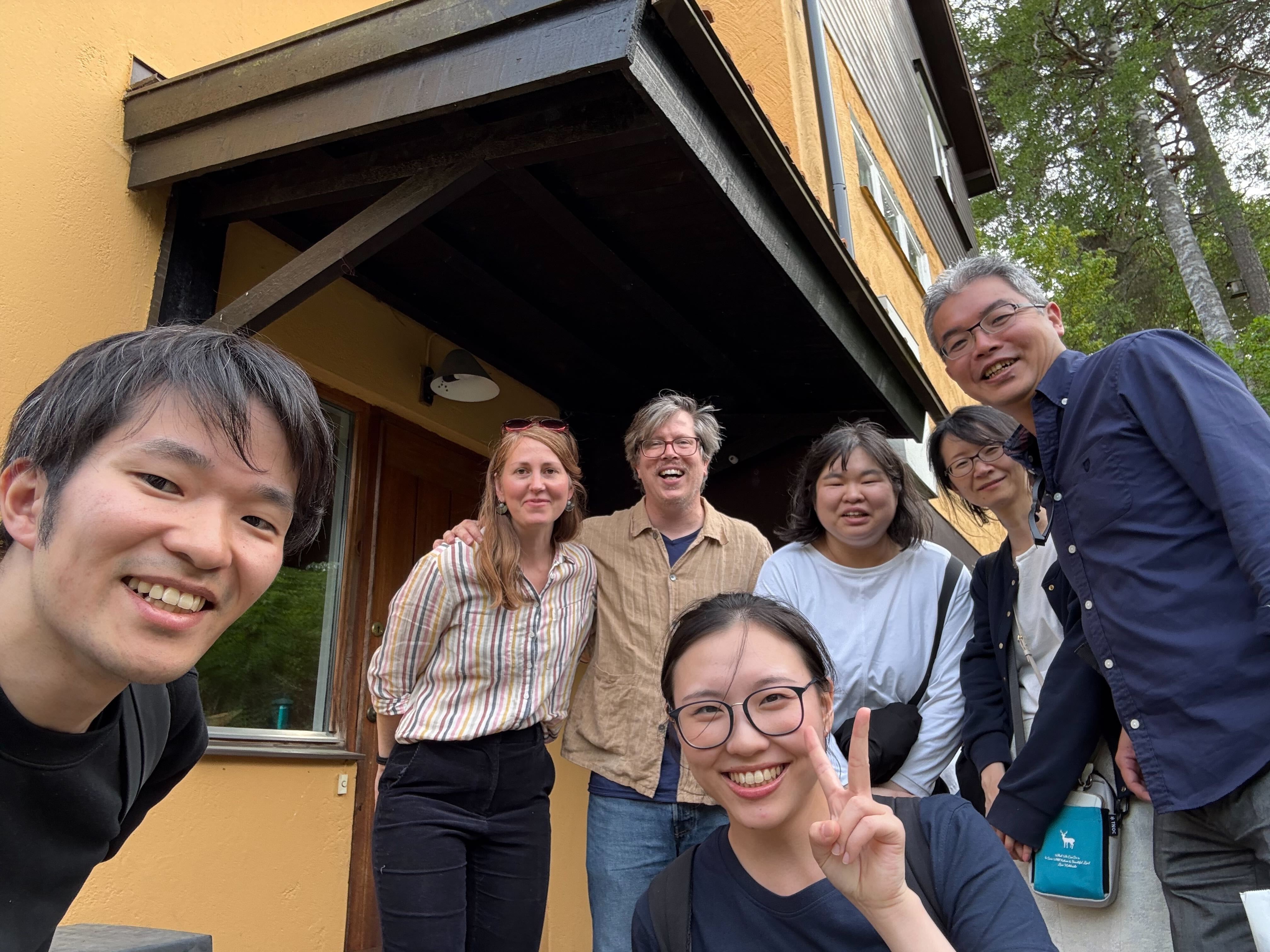
From May 20 to 22, 2026, members of Prof. Hasunuma's laboratory at Kobe University participated in an academic exchange program with students and postdoctoral researchers at KTH Royal Institute of Technology and Uppsala University in Sweden. This opportunity was built on the ongoing collaborative relationship between Prof. Hasunuma and Prof. Paul Hudson, as well as a previous research stay at Prof. Hasunuma's laboratory by one of Prof. Hudson’s students from KTH.
Activities
Visit to SciLifeLab and Research Discussions
SciLifeLab is an institution for the advancement of molecular biosciences in Sweden, funded as a national research infrastructure by the Swedish government and operated through a collaboration among four major universities: Karolinska Institutet, KTH Royal Institute of Technology, Stockholm University and Uppsala University.
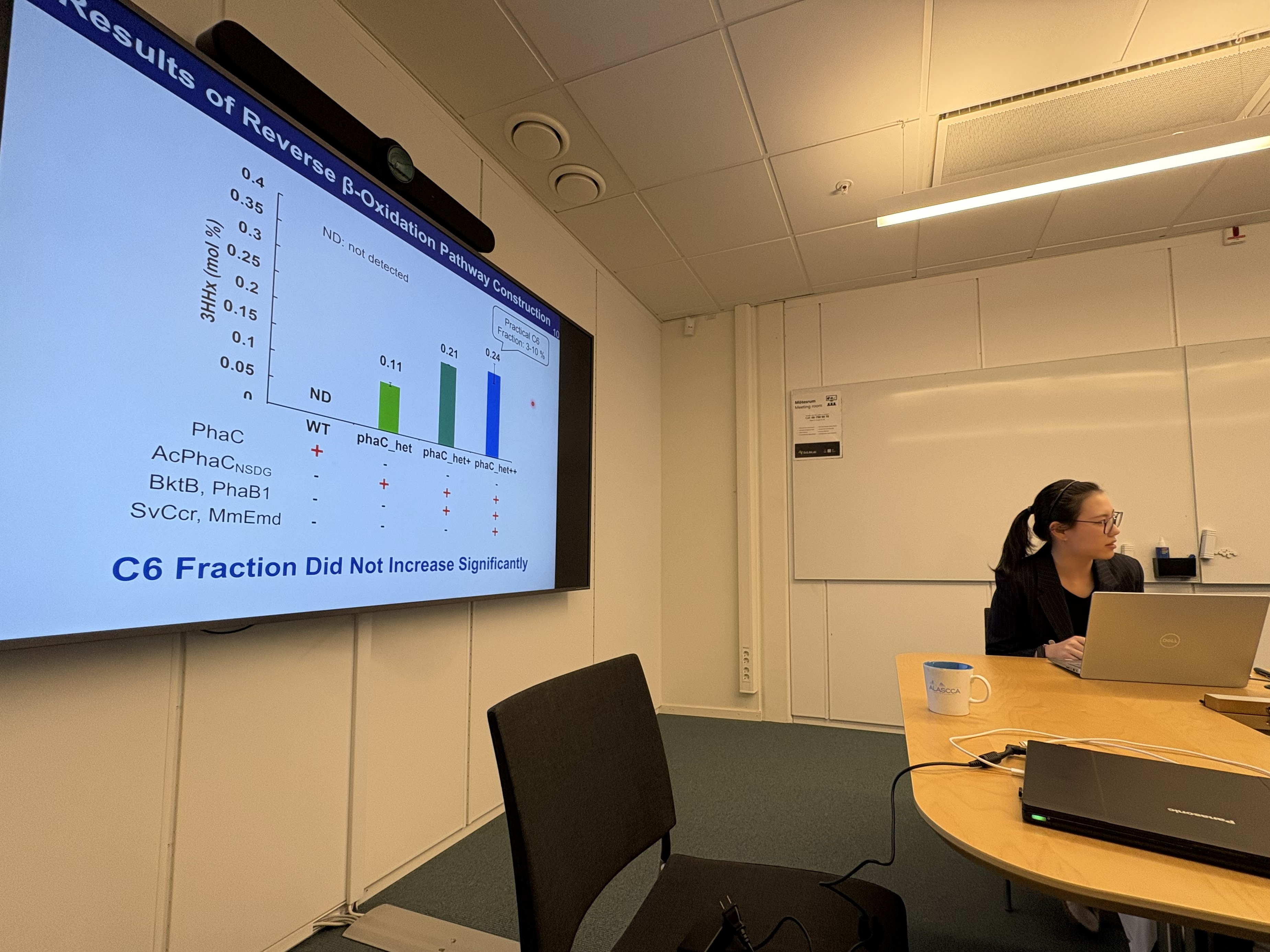
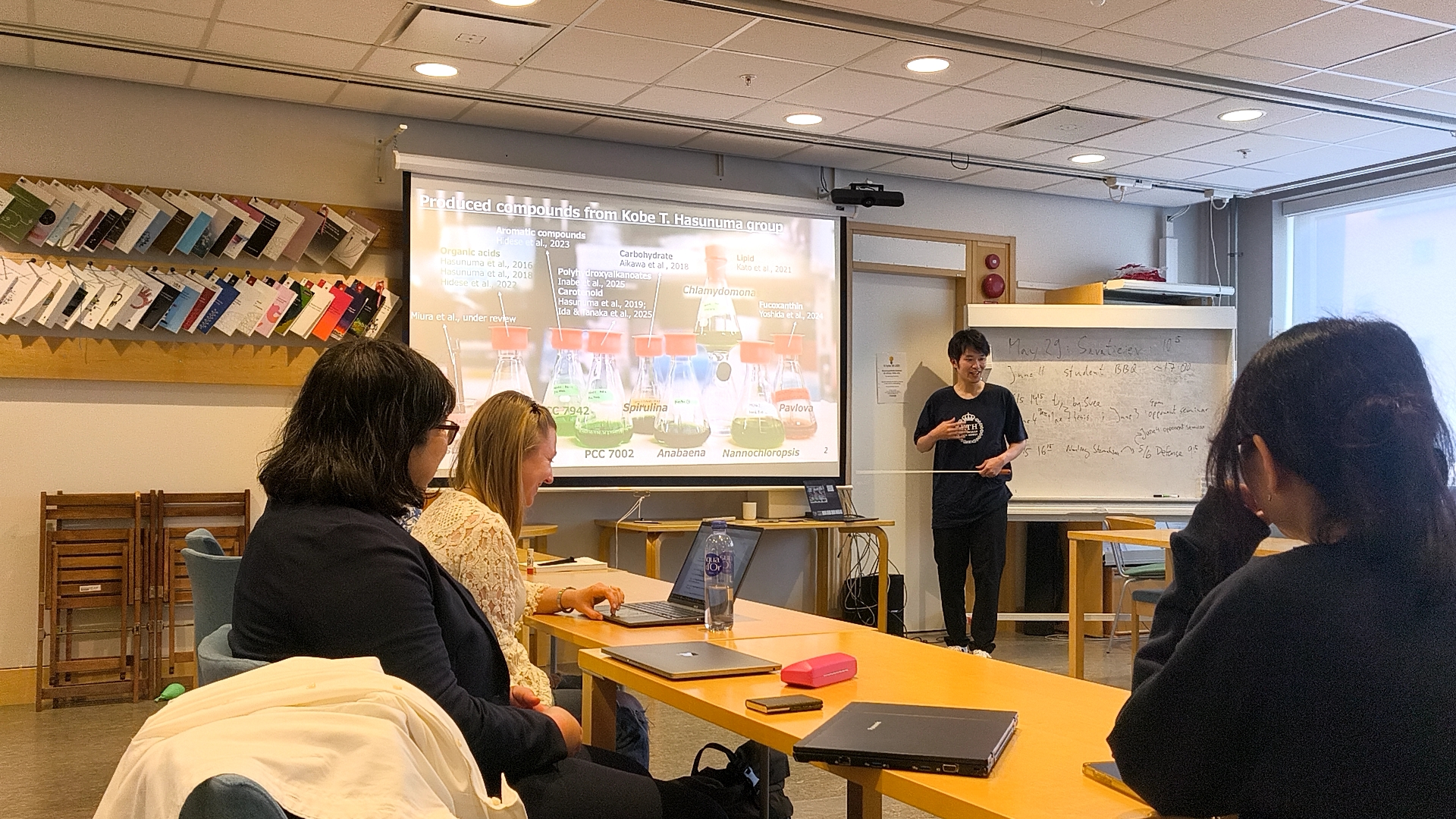
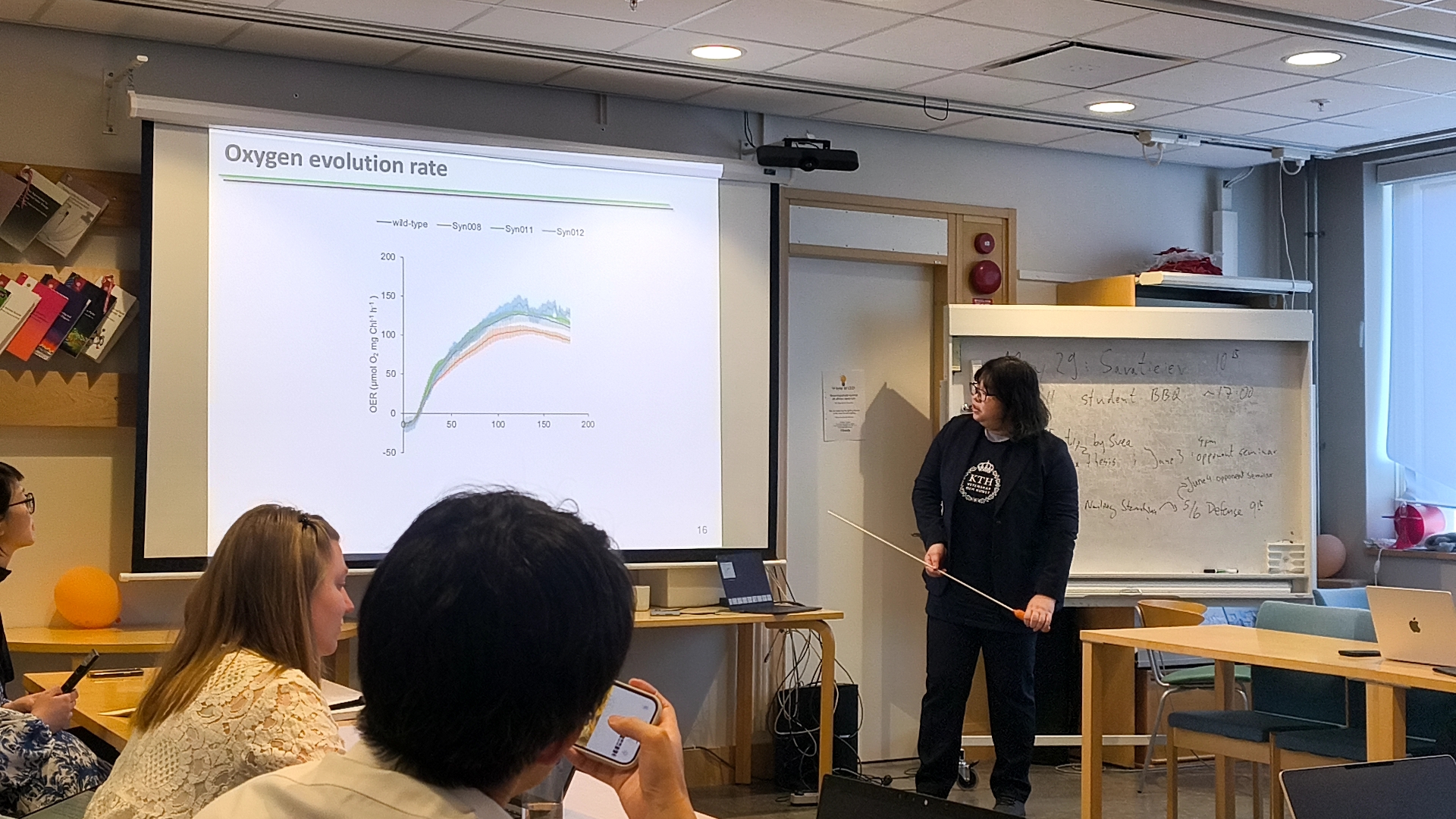
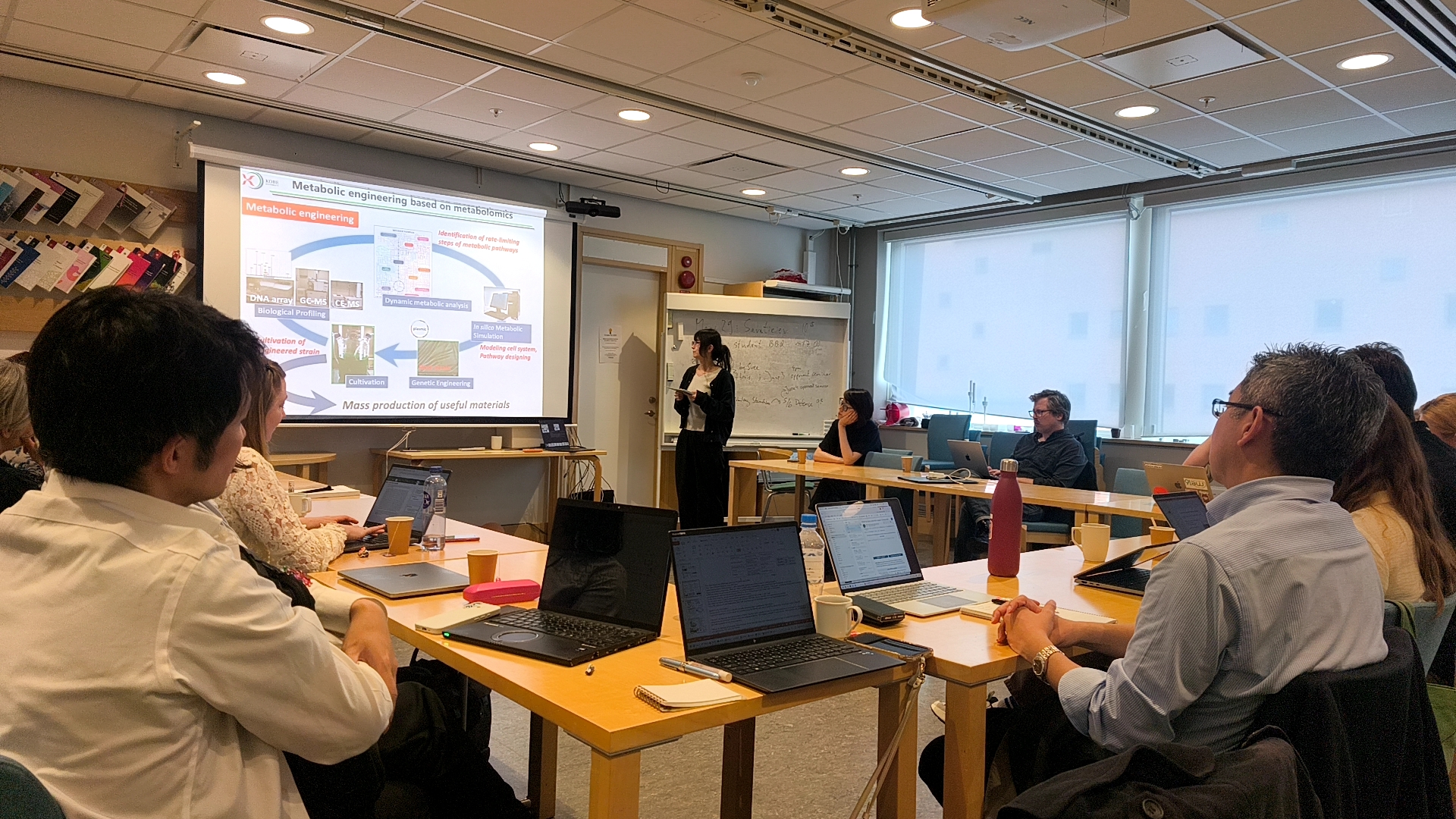
During our visit, we attended a seminar by Prof. Hasunuma, and research presentations by members of Prof. Hasunuma’s laboratory (Associate Prof. Tanaka, Dr. Tsuji, Ms. Matsuda and Ms. Miura), and members of Prof. Hudson’s laboratory. We also engaged in collaboration discussions with members of Prof. Hudson’s laboratory., and toured SciLifeLab’s research infrastructure.
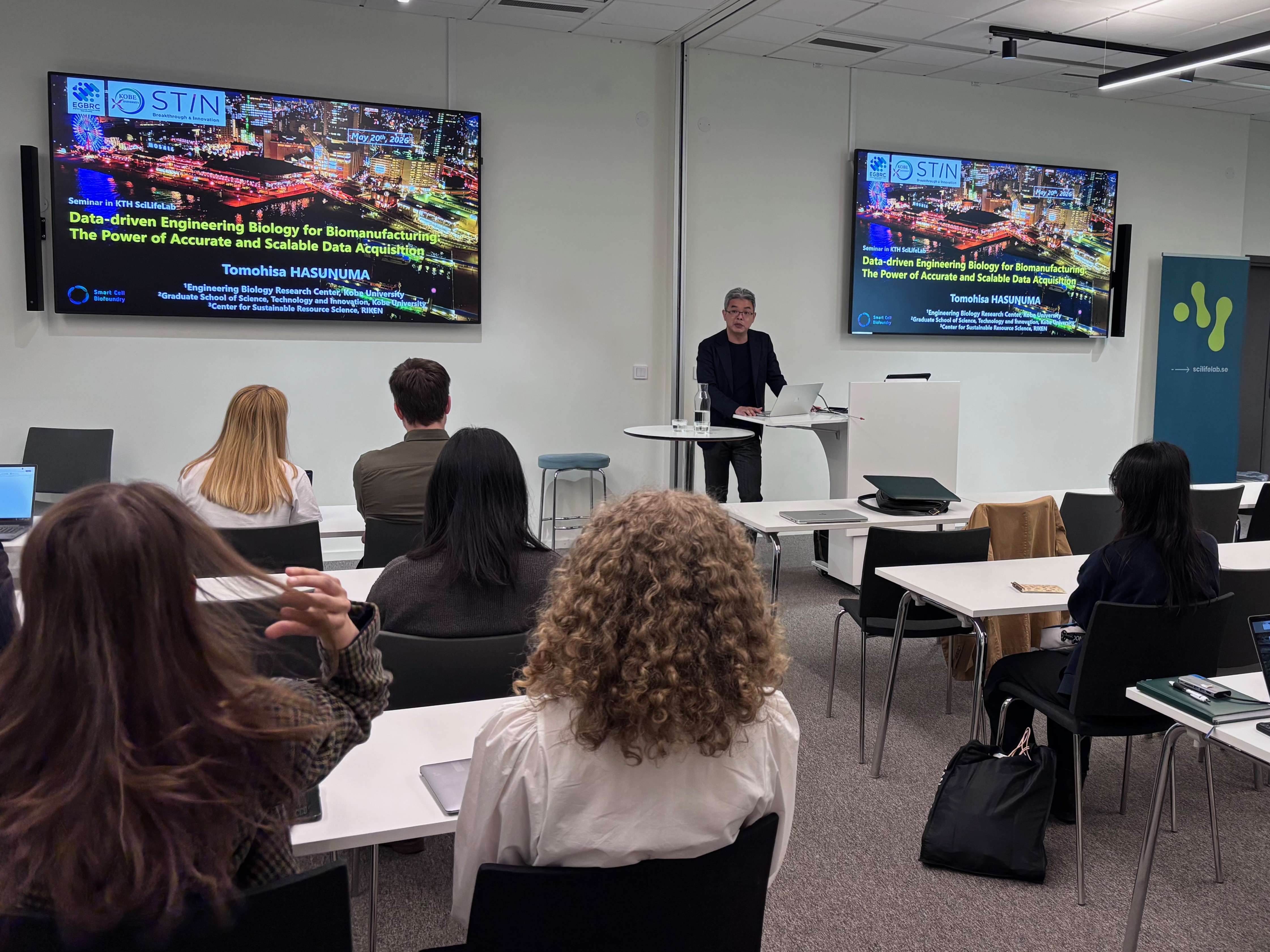
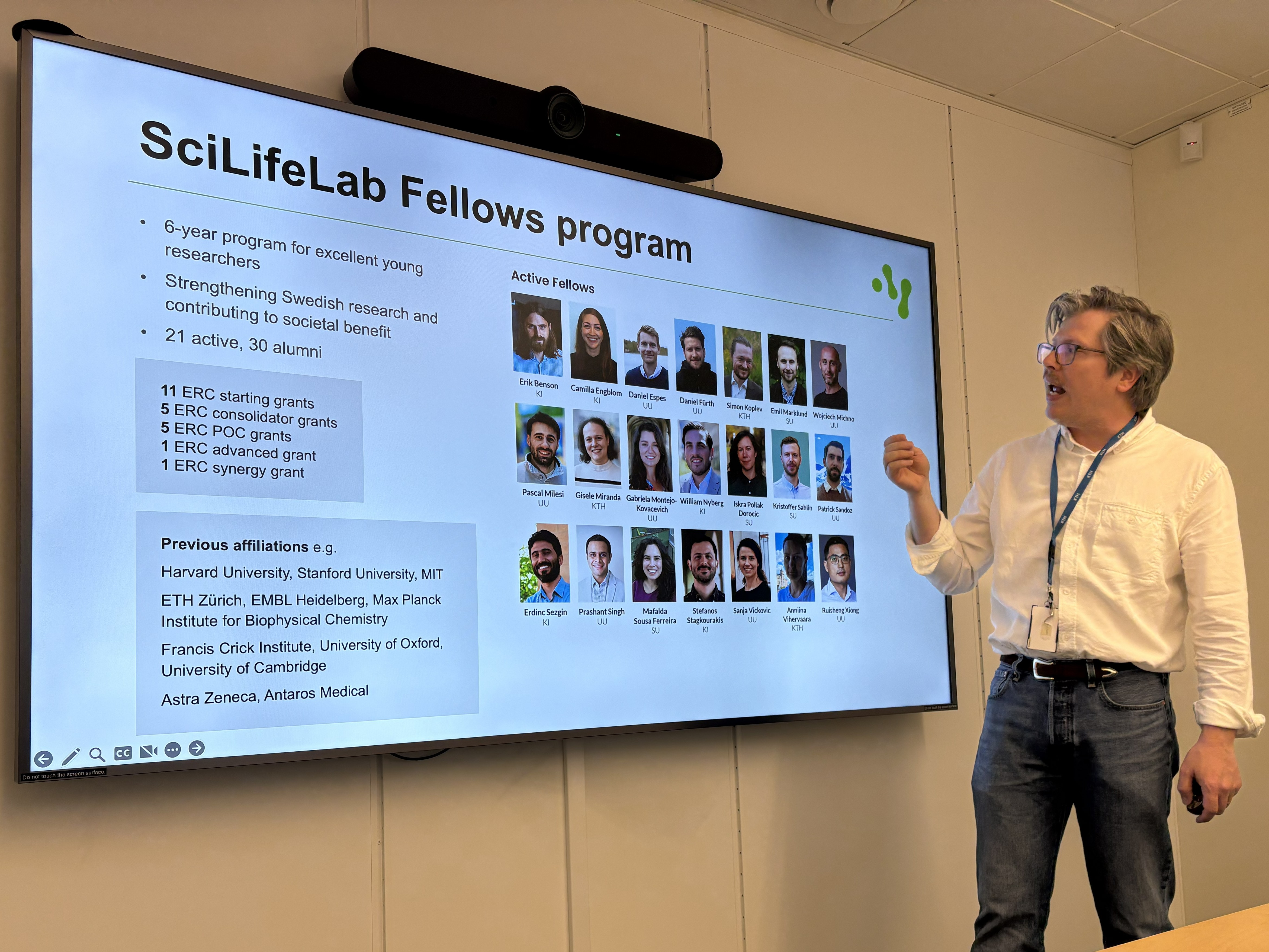
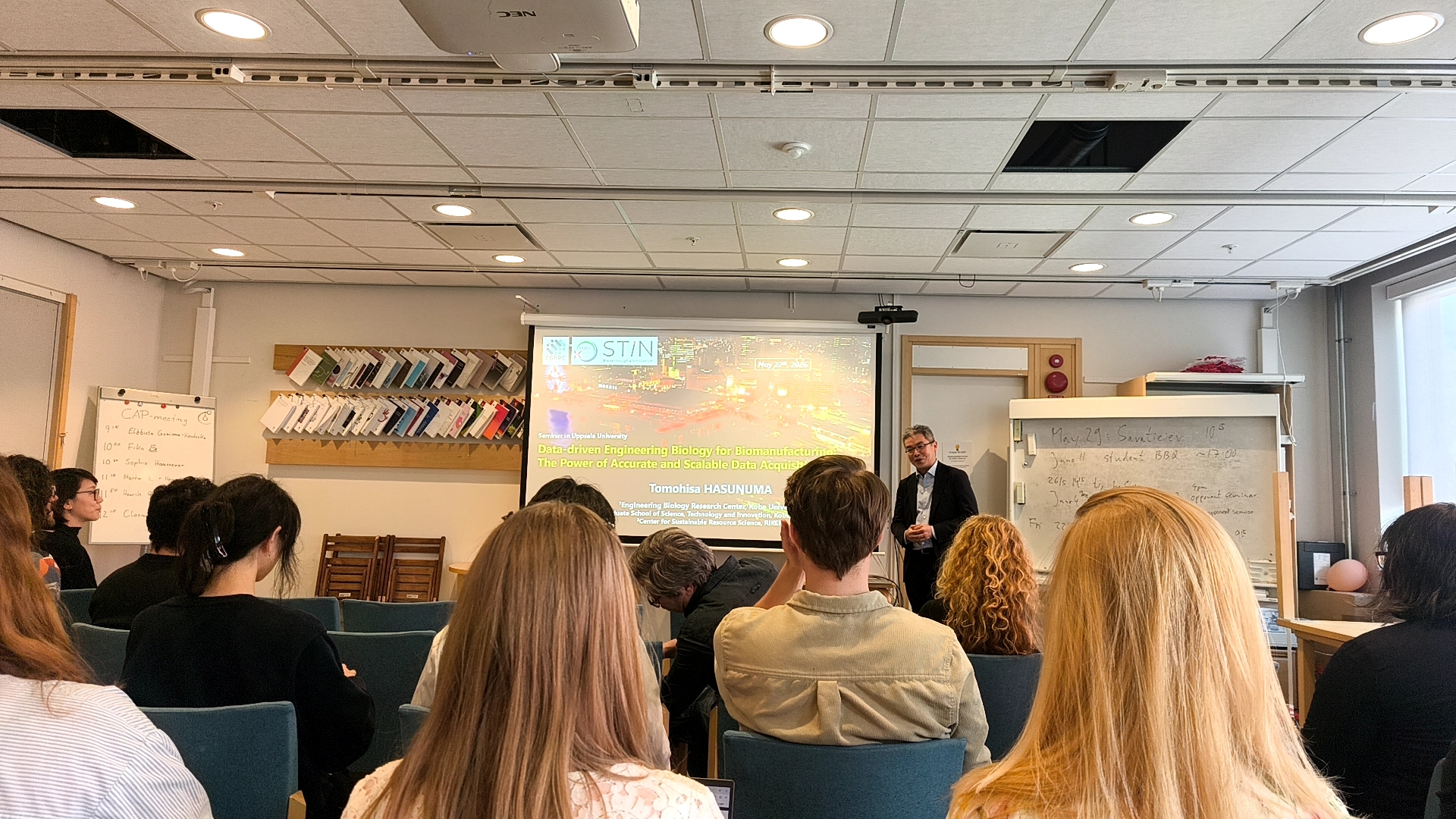
Prof. Hasunuma delivered a seminar entitled “Data-driven Engineering Biology for Biomanufacturing: The Power of Accurate and Scalable Data Acquisition”. Prof. Hudson introduced the role and activities of SciLifeLab.
We discussed ongoing research projects, future directions, and opportunities for academic exchange. The discussions provided valuable feedback and new perspectives on our research, while also helping to identify areas for future collaborations.
The infrastructure tour provided an opportunity to visit the cryo-electron microscopy (cryo-EM) facility and learn about its capabilities.

Visit to KTH’s Alba Nova campus and Attendance at the Microbial Foods Conference
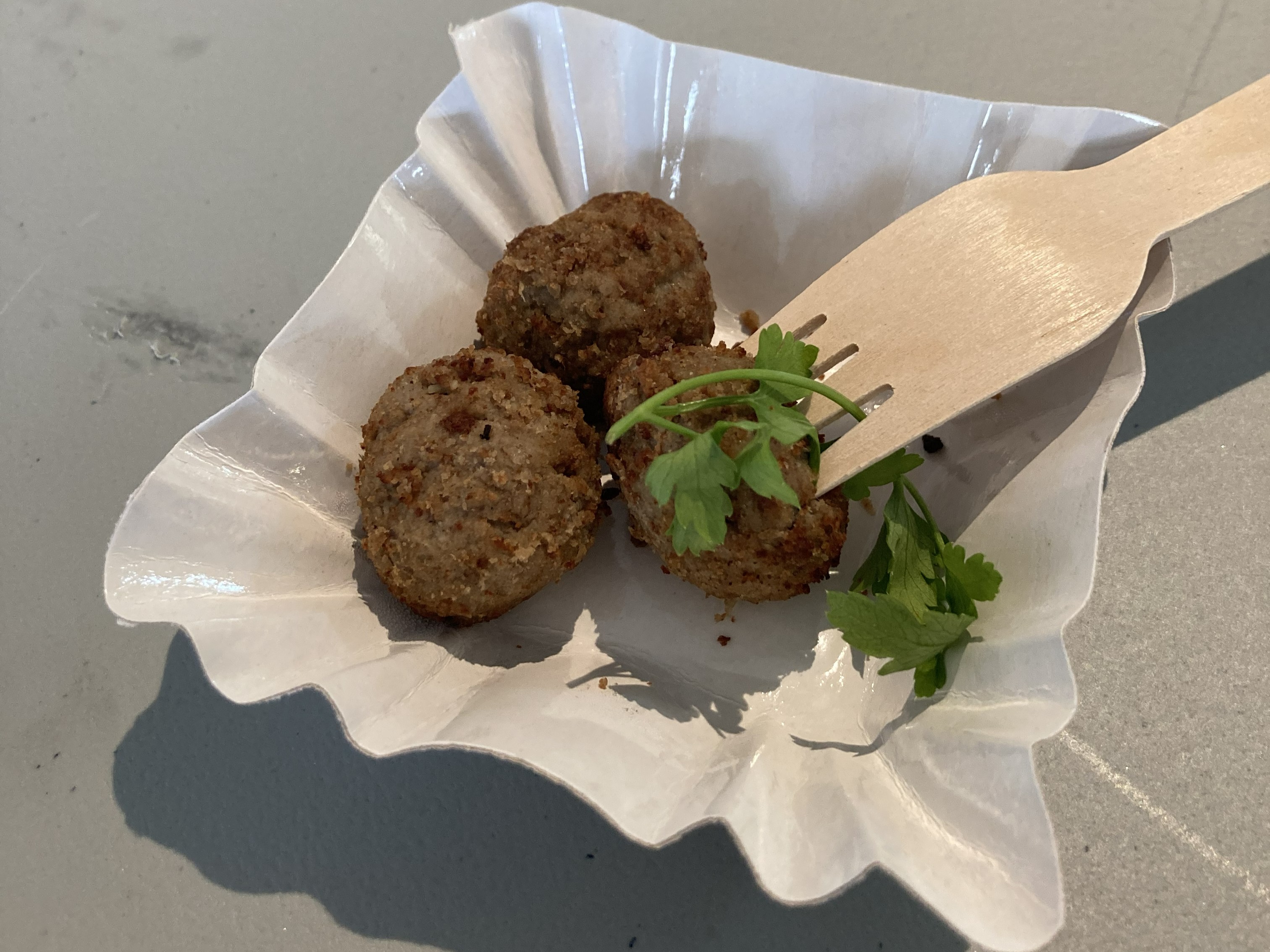
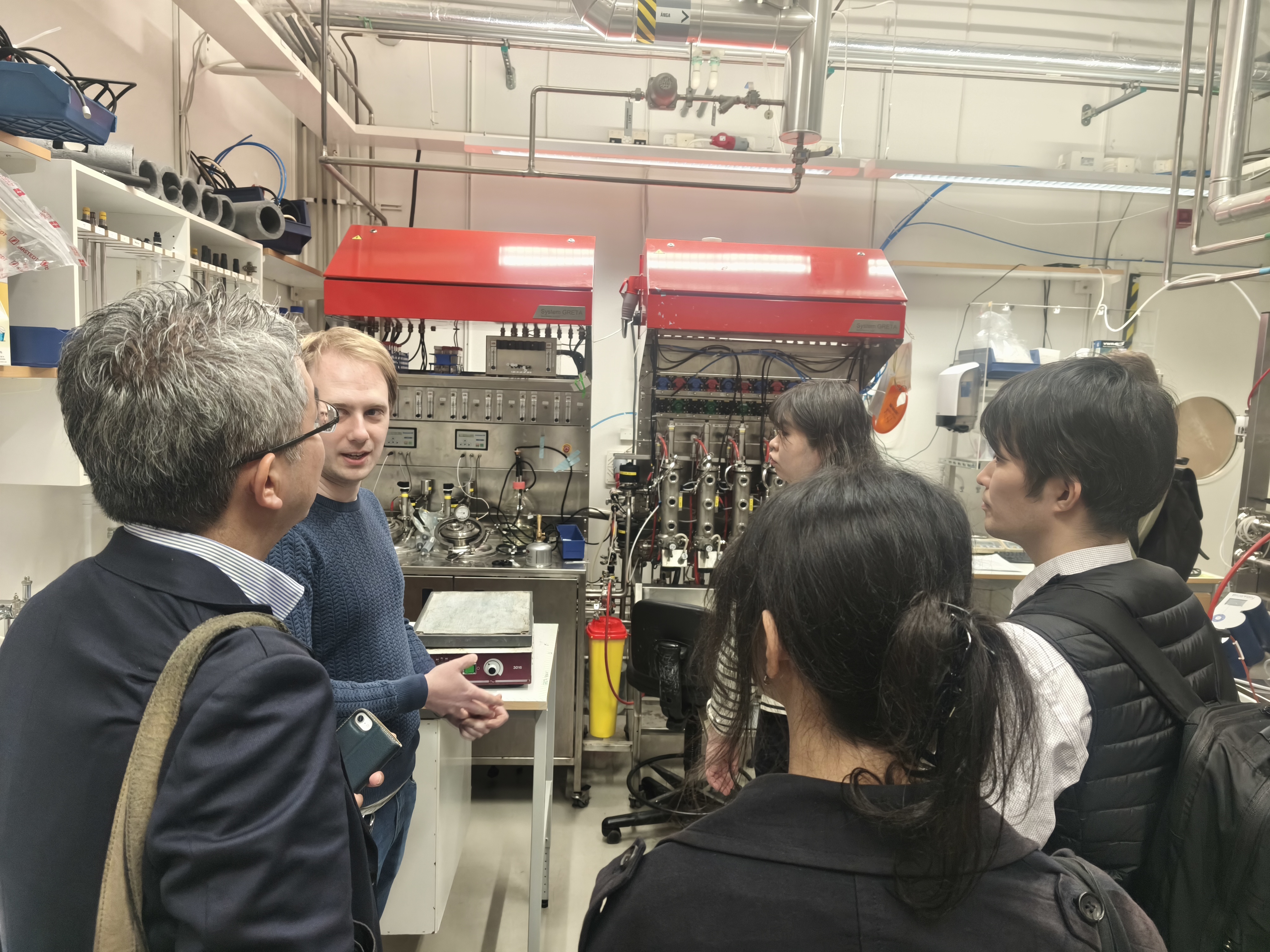
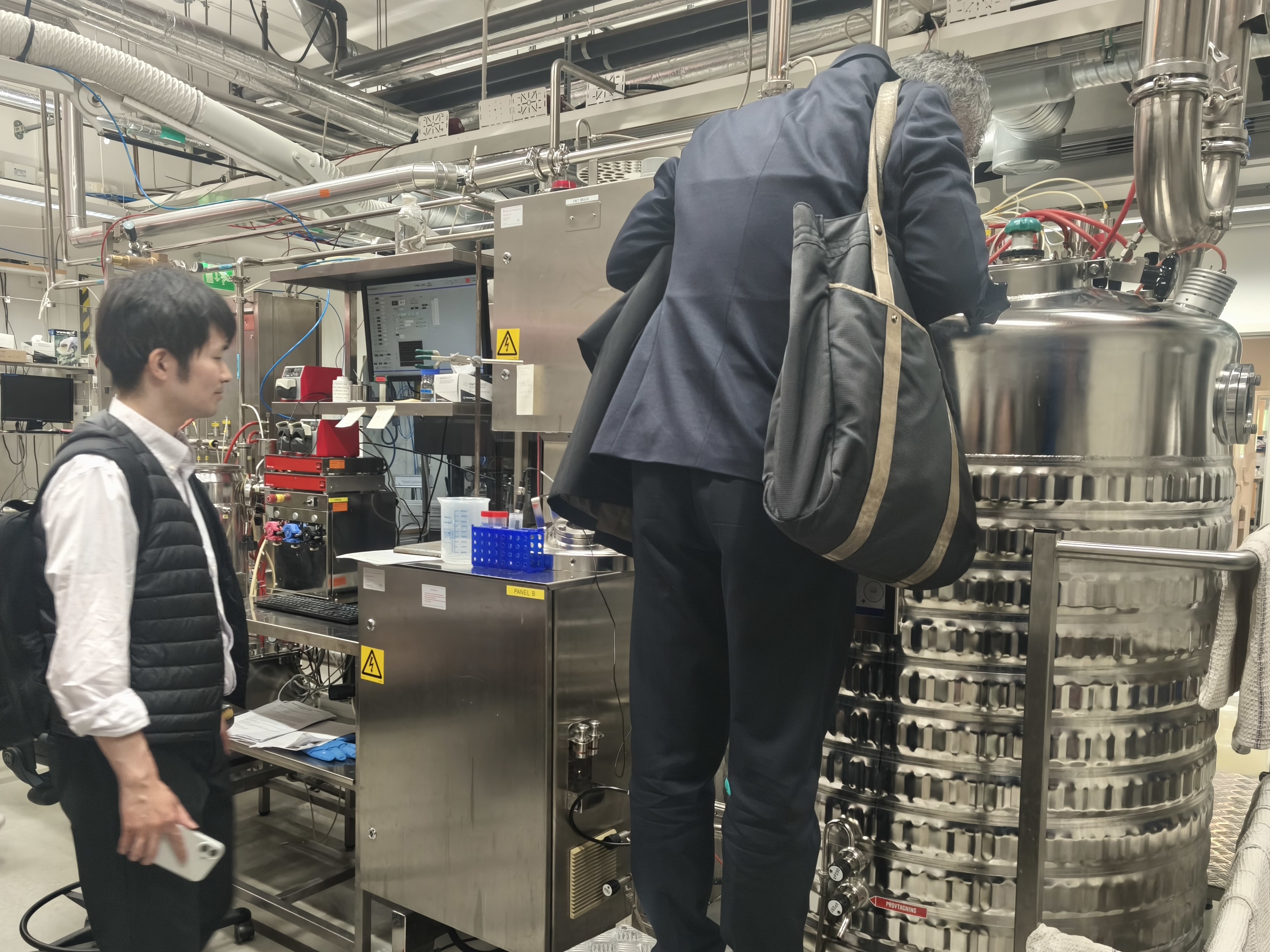
We participated in the Microbial Foods Conference and visited the R1 reactor facility as well as Alba Nova. During these visits, we also received an introduction to the research activities of AdBioPro and GeneNova, both research groups at KTH.
At the Microbial Foods Conference, we attended presentations by leading researchers in the field, including Prof. Rodrigo Ledesma-Amaro from Imperial College London and Prof. J. K. Keppler from Wageningen University. Prof. Rodrigo Ledesma-Amaro discussed his research on Yarrowia and Fusarium, which are gaining significant attention in the field of alternative proteins. Prof. J. K. Keppler also presented on β-lactoglobulin and its applications in milk. Through these talks, we gained a better understanding of how microbial fermentation and protein technologies are being applied to the development of sustainable food products.
We also attended presentations on cell culture technologies and protein engineering related to genome editing, followed by tours of the associated research facilities. In particular, the downstream processing equipment used for product recovery and purification was of great interest, as it provided valuable insight into technologies that are not currently available in our laboratory.
Participation in the Cyanobacterial Symposium at Uppsala University
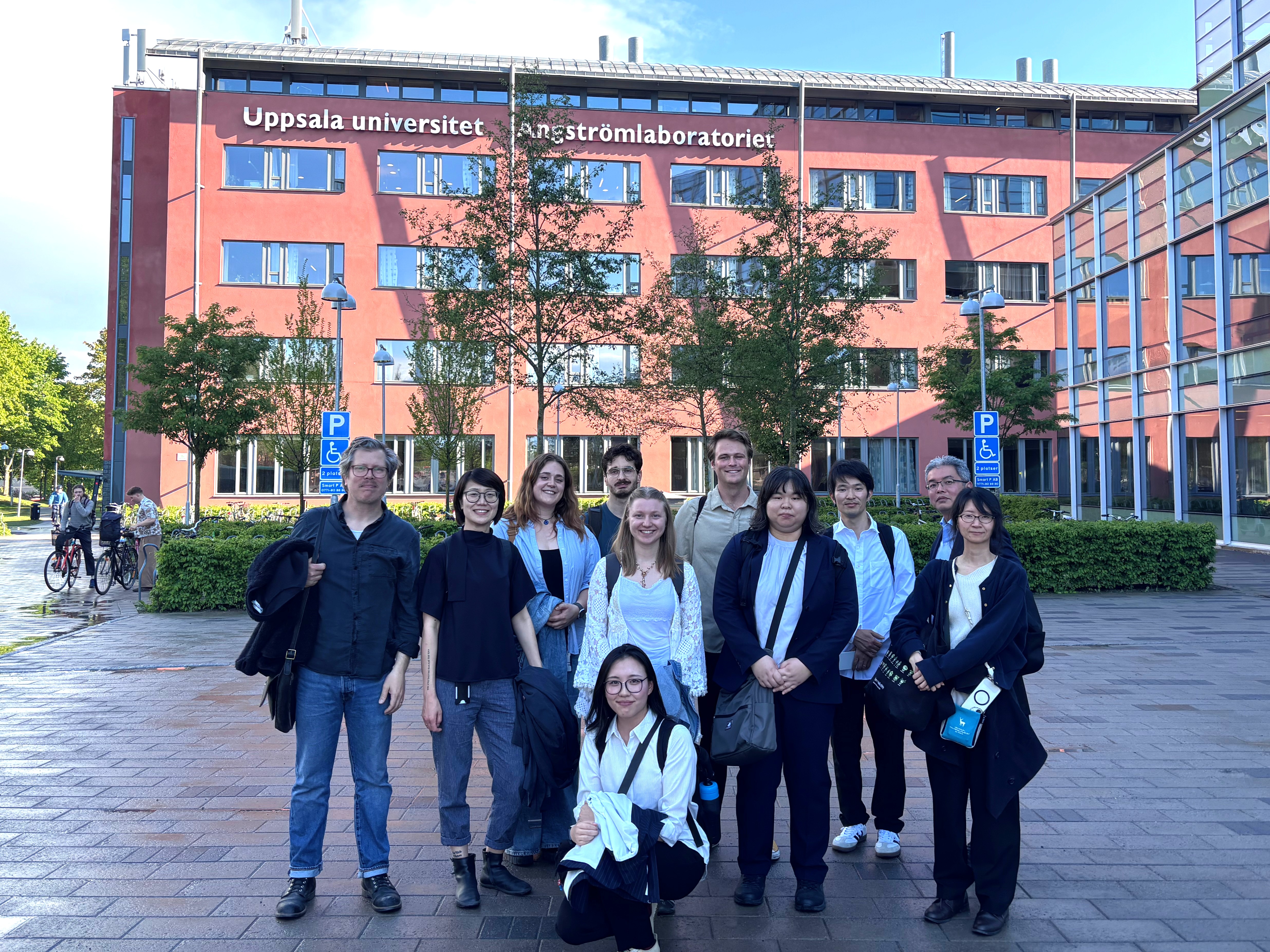
We visited the Department of Microbial Chemistry at Uppsala University, where Prof. Hasunuma gave a seminar, followed by a tour of the laboratory facilities. The tour provided an opportunity to observe the research environment and experimental equipment used for cyanobacterial research.
In the afternoon, we participated in a symposium with cyanobacteria research groups from KTH and Uppsala University. During the symposium, members of Prof. Hasunuma’s laboratory (Associate Prof. Tanaka, Dr. Tsuji, Ms. Matsuda and Ms. Miura), together with three researchers each from KTH and Uppsala University, delivered presentations on their recent research. The symposium provided a valuable opportunity for scientific discussion and academic exchange. Through the presentations and discussions, we learned about novel experimental approaches and innovative research ideas, which offered new perspectives for our own research.
Key Findings (MIURA Kako)
One of the most valuable outcomes of this visit was the opportunity to gain a deeper understanding of the food protein research field. Prior to the visit, I had limited awareness of the broader roles of proteins in food beyond their nutritional value. Through the research presentations by members of Prof. Hudson’s group at KTH and participation in the Microbial Foods Conference, I learned that the strong interest in food protein research in Europe is closely linked to concerns about food security and the need for sustainable food production. This perspective was particularly insightful. In addition, I had assumed that the application of proteins derived from genetically modified organisms to food products would face substantial regulatory challenges, and I was not fully convinced of the advantages of using genetically engineered microorganisms solely for protein production. However, the lectures and discussions helped me recognize that food proteins contribute not only to nutrition but also to food stability, texture, and functionality. As a result, I gained a greater appreciation for the potential of microbial fermentation and protein engineering in the development of novel food ingredients and improved food products.
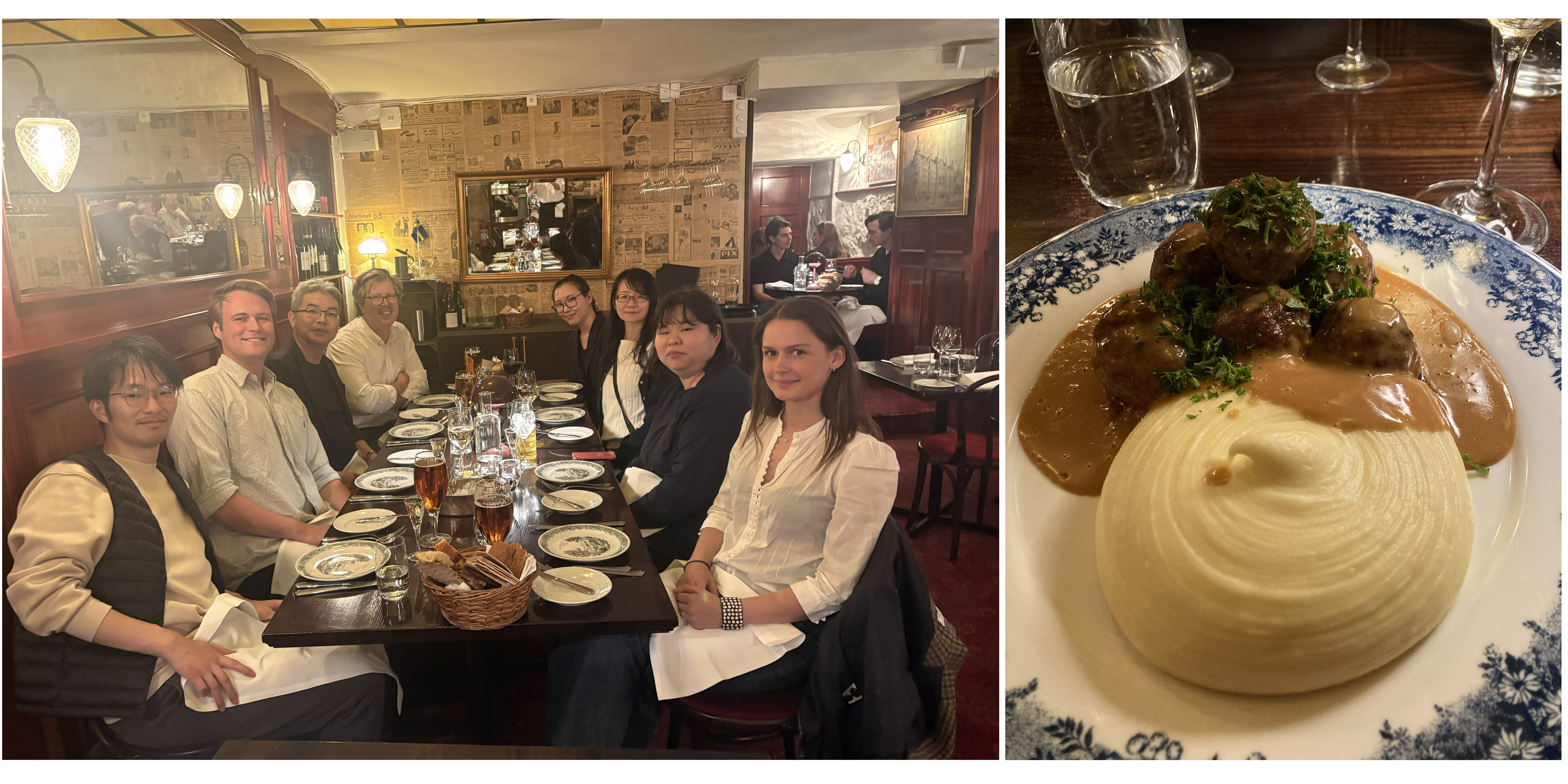
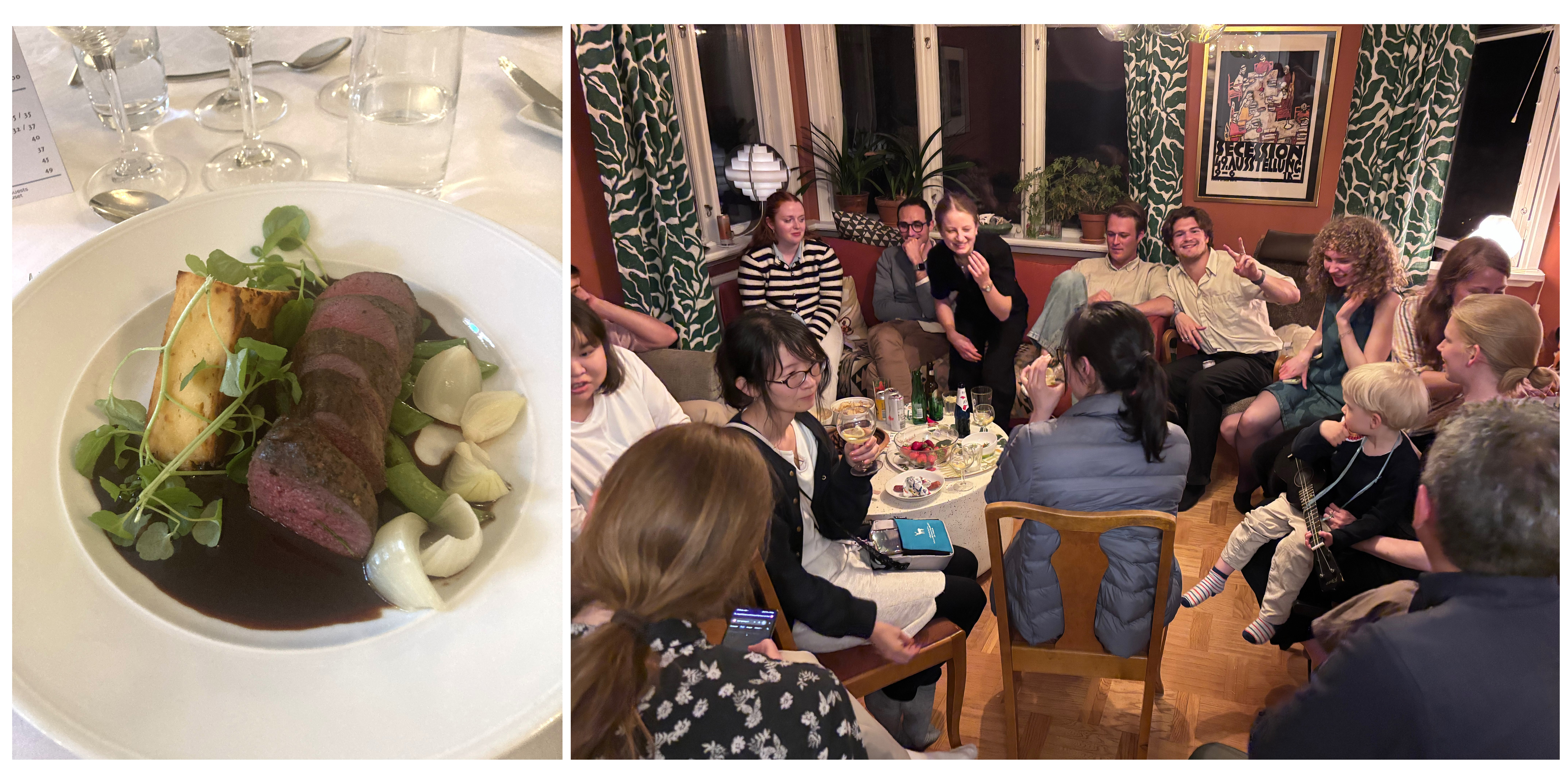
Another valuable aspect of the visit was the opportunity to interact closely with students and early-career researchers. Beyond formal scientific discussions, informal conversations during dinners and networking events provided an open environment for exchanging ideas about research. These interactions allowed me to discuss my own research in depth and receive constructive feedback. In particular, I obtained useful advice on computational approaches that could complement my future research. Discussions with students specializing in computational science helped me better understand how such methods can be integrated with experimental research and provided practical suggestions for developing the necessary skills. Furthermore, interactions with researchers from diverse academic backgrounds broadened my perspective and helped me consider new directions for future research.
Conclusion
Overall, this visit provided a valuable opportunity to exchange ideas with researchers from different institutions and research backgrounds. The seminars, laboratory tours and scientific discussions broadened our understanding of current developments in biotechnology and microbial engineering. Furthermore, establishing connections with researchers from Uppsala University laid the groundwork for future collaborative research and scientific exchange in the field of cyanobacteria. We expect that these newly established connections will facilitate continued communication, foster future joint research activities and strengthen collaboration between the participating research groups.
Appendix. Research presentation titles
| Presenter | Title |
|---|---|
| HASUNUMA Tomohisa | Data-driven Engineering Biology for Biomanufacturing: The Power of Accurate and Scalable Data Acquisition |
| TANAKA Kenya | Metabolic regulation and the advantages of the Calvin cycle |
| TSUJI Ayaka | Combined engineering of glucose export and glucose-1-phosphatase pathways enhances photosynthetic glucose production in Picosynechococcus sp. PCC 7002 |
| MATSUDA Mami | Metabolic engineering based on metabolomics |
| MIURA Kako | Heterologous phaC Expression for PHBH Production in the Purple Non-Sulfur Bacteria and Future Perspectives on Metabolic Analysis |
| Maija Greis (KTH) | Engineering β-lactoglobulin for improved nutritional and functional properties |
| Maria Veit (KTH) | Solar2Butanol project |
| Anna Karlsson (KTH) | Interaction proteomics of secondary messenger in cyanobacteria and plant |
| Elias Englund (KTH) | Expression landscape of heterologous enzymes in Synechocystis sp. PCC 6803 |
| Stamatina Rossou (Uppsala) | Metabolic engineering of Synechocystis PCC 6803 for acetate production. |
| Kim Jassen (Uppsala) | Photosynthetic terpene production - Engineering, characterization and immobilization of isoprene producing cyanobacteria |
| Lourenço Ribeiro (Uppsala) | Engineering Cyanobacteria for the Production of Styrene |
(Engineering Biology Research Center)