

Liverwort uses hair-like rhizoids to collect phosphorus from its surroundings and deliver it to where it is needed. This Kobe University discovery sheds light on the evolution of one of the most essential features of land plants: roots for nutrient acquisition.
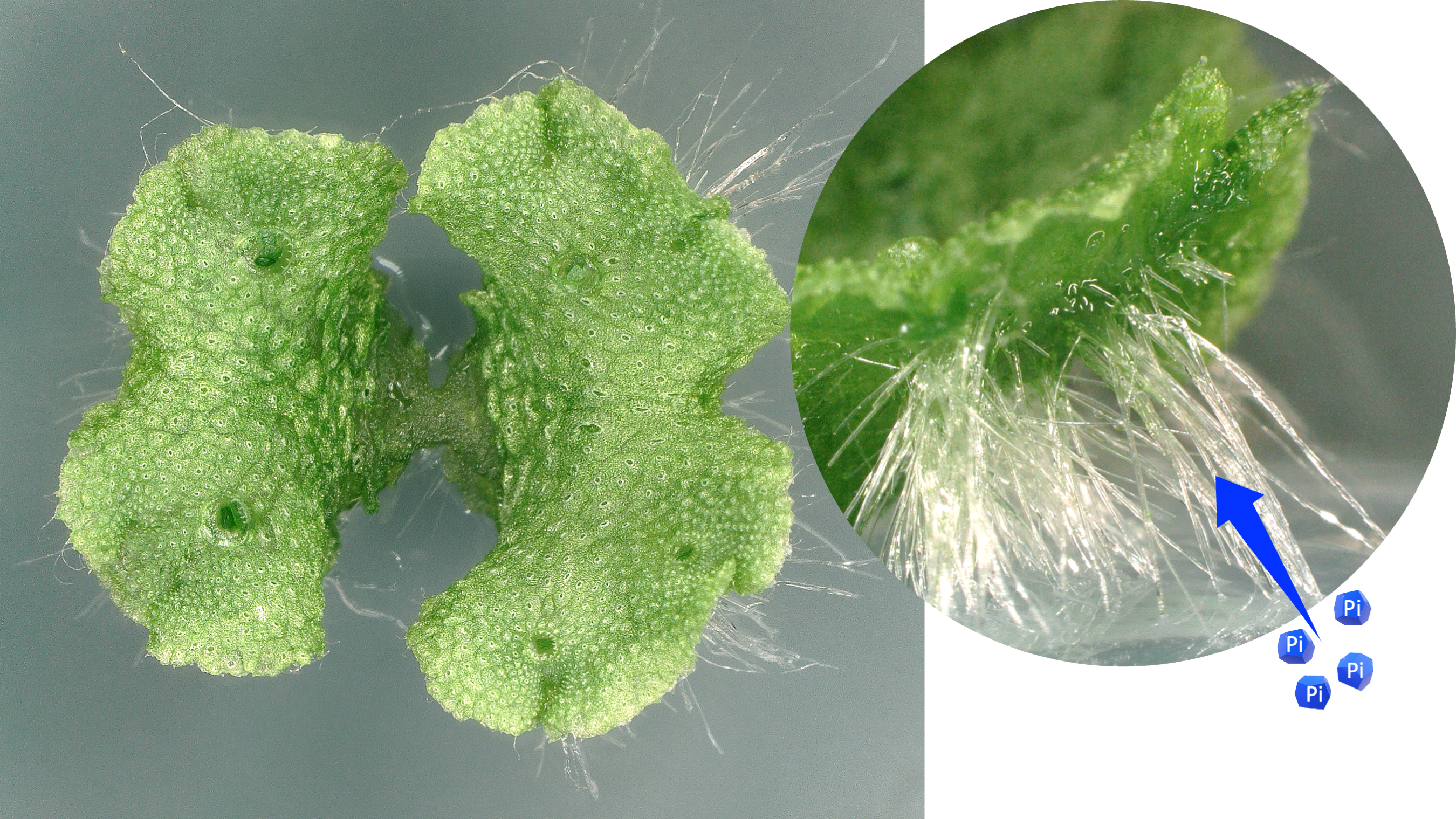
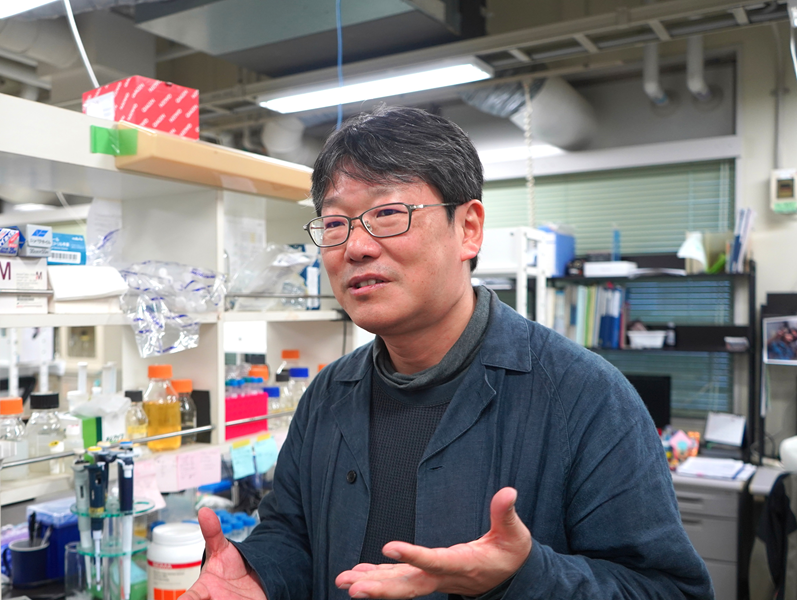
For plants to survive on land, they need a mechanism to absorb water and nutrients from their surroundings. While many land plants have evolved structures such as roots and vascular tissue to fill this role, simple land plants like mosses and liverwort, collectively known as bryophytes, are able to grow and reproduce despite lacking both. “This raised a question for us: ‘How do bryophytes absorb nutrients and distribute them within their bodies?’” says Kobe University biologist ISHIZAKI Kimitsune.
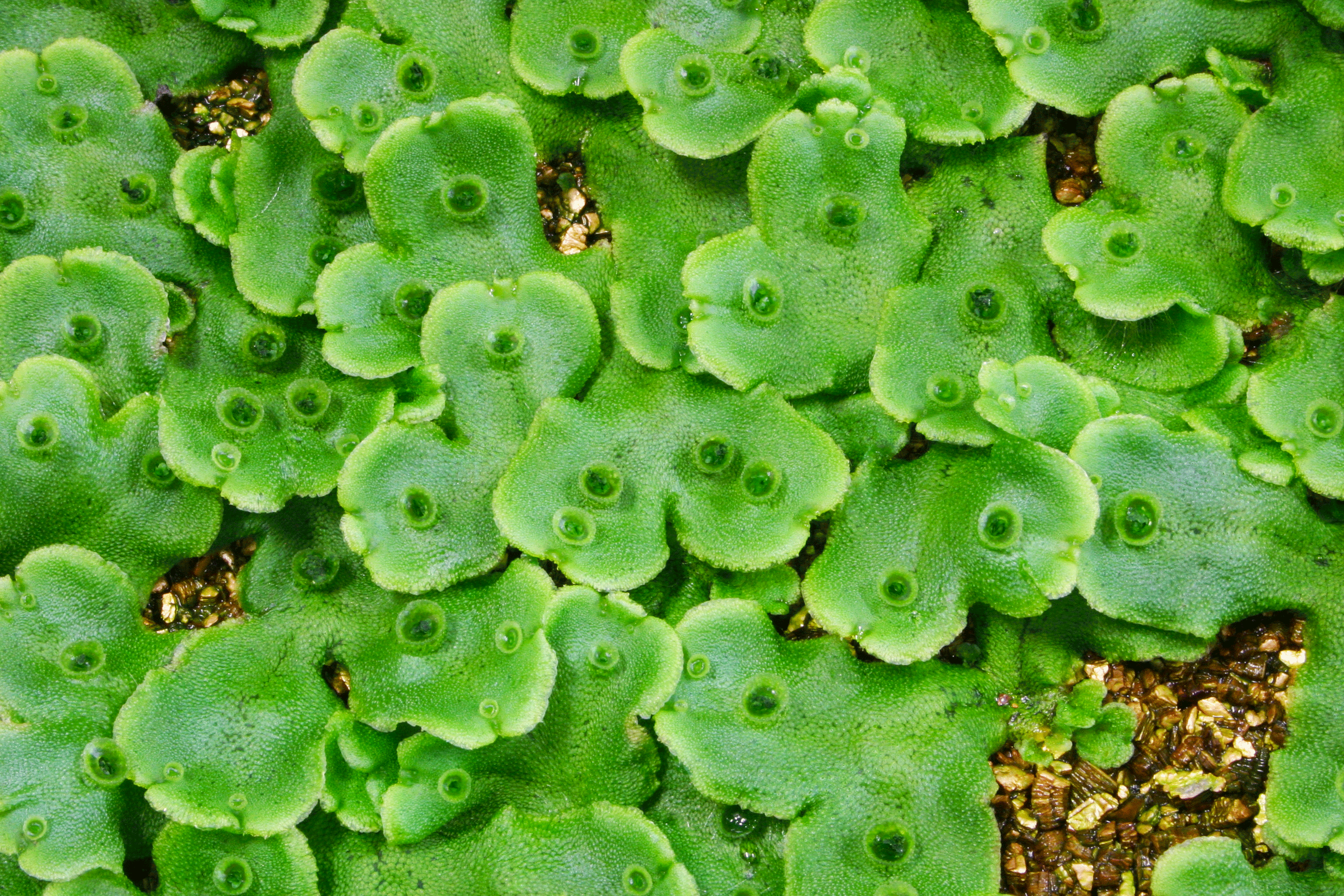
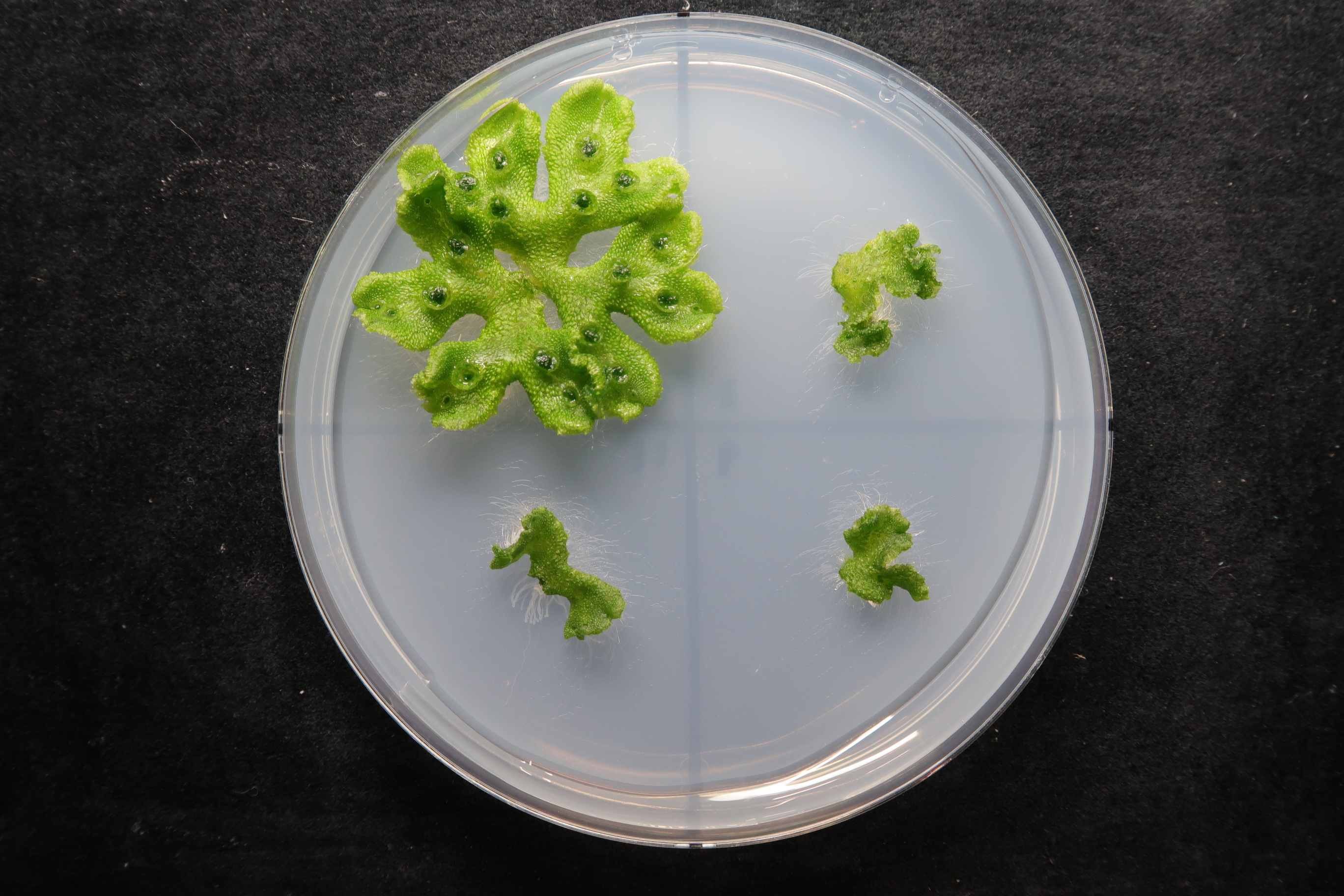
To look for an answer, Ishizaki and his team turned to common liverwort Marchantia polymorpha, a model organism for bryophytes, specifically to investigate how it absorbs and transports phosphorus. Though they lack complex structures like roots, bryophytes like liverwort have what are called “rhizoids” — hair-like structures used to anchor the plant to its surroundings. Using RNA sequencing analysis and public databases, the team compared gene activity between the liverwort’s rhizoids and its other organs, revealing a high level of gene expression for phosphorus uptake and delivery in rhizoids, many of which had not previously been shown to be rhizoid-enriched. This suggested that rhizoids serve a more active role in nutrient delivery than originally thought.
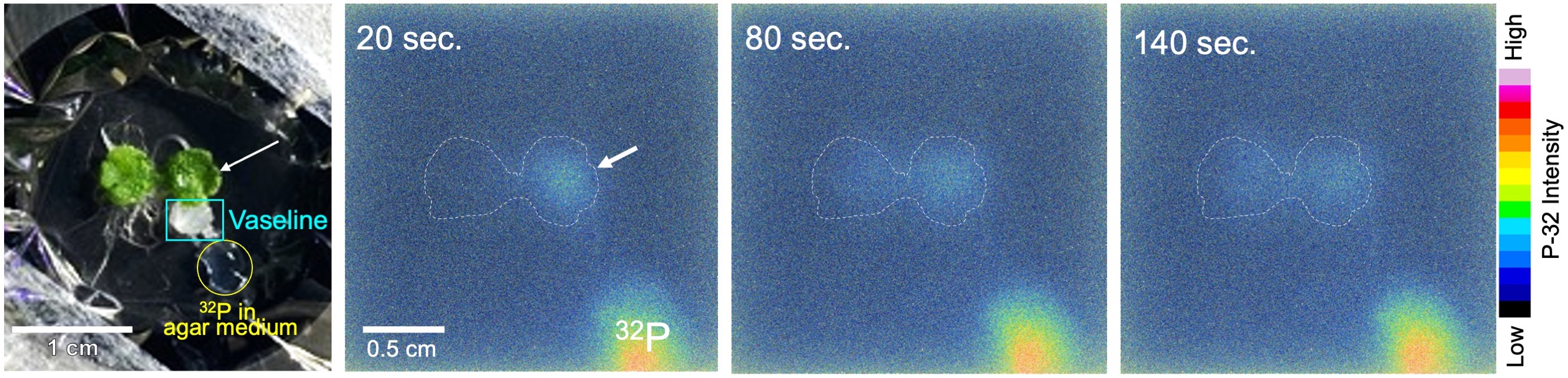
But often only seeing is believing, so Ishizaki and his team devised a method to observe this nutrient delivery in action. They developed a technique which traces radioactive phosphorus in real time in order to visualize nutrient transport, converting beta particles emitted by the radioactive phosphorus isotope to visible light.
In the journal New Phytologist, Ishizaki now reports that by utilizing this new technique, he and his team were able to capture the rapid movement of phosphorus as it traveled from the liverwort’s rhizoids through to its leaf-like bodies. This discovery revealed that in addition to rhizoids’ function of anchoring plants to their surroundings, they actively take in phosphorus and transport it to the tissues where it is needed. “This demonstrates that even plants that evolved before roots and vascular tissue possessed efficient mechanisms for nutrient acquisition and distribution,” says Ishizaki.
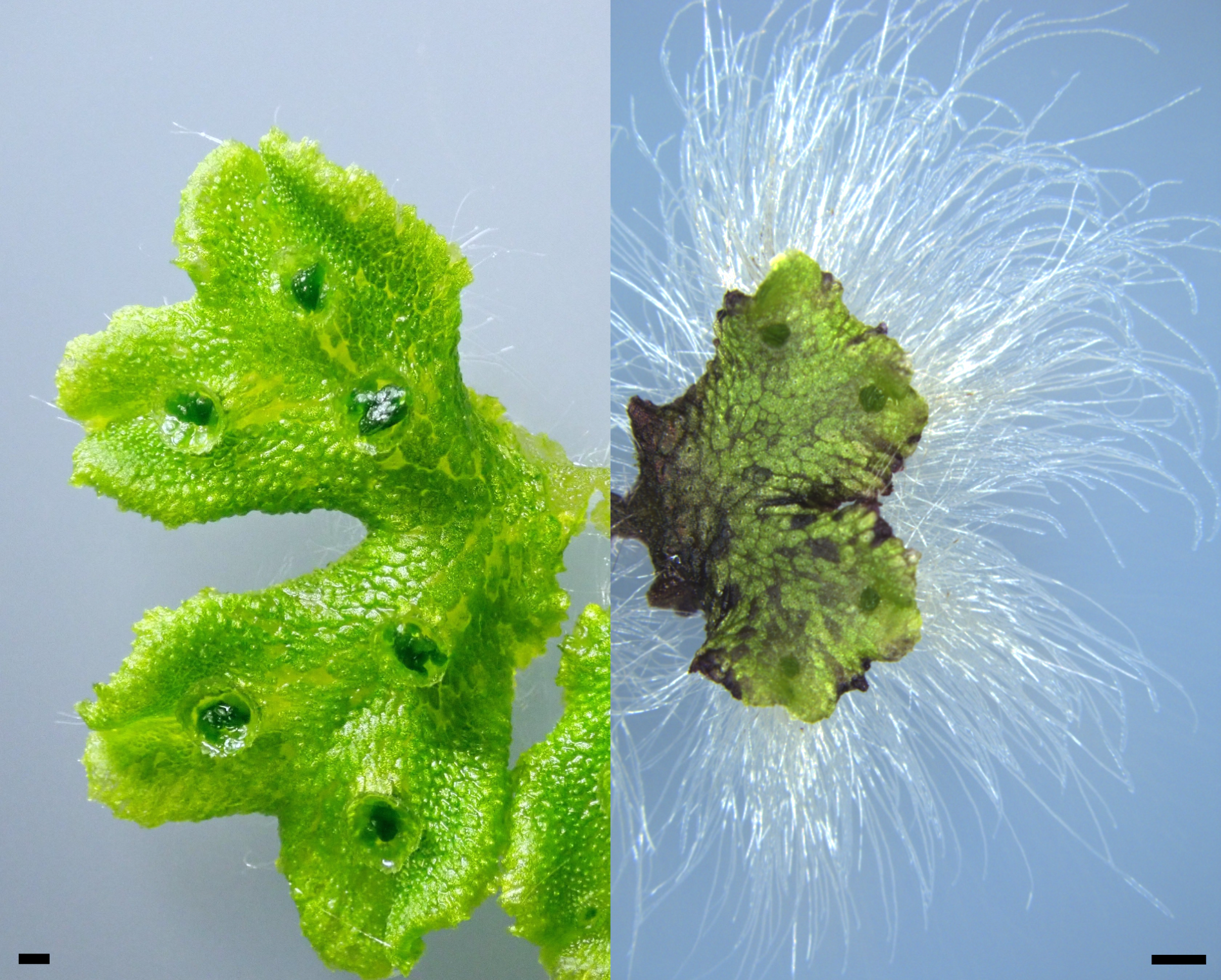
The discoveries didn’t end there, however. When the liverwort in this study was exposed to phosphorus-deficient conditions, the number of rhizoids and the expression of phosphorous transporters and extraction enzymes were observed to have increased, a response similar to that taken by flowering plants.
In light of these findings, Ishizaki says: “By demonstrating that the seemingly simple structure of rhizoids possesses multiple functions, it provides a new perspective for considering the evolution of plant nutrient systems.”
As for future studies, he adds: “We aim to analyze the roles and regulatory mechanisms of individual transporters operating in rhizoids, as well as changes in nutrient acquisition in mutants lacking them. This will allow us to elucidate in greater detail the strategies plants employed before evolving more sophisticated structures like roots.”
Acknowledgements
This research was funded by the Japan Society for the Promotion of Science (grants JP15H04391, JP19H03247, JP21J40092, JP25K09689, JP23K27031, JP23H02338, Program for Forming Japan’s Peak Research Universities (J-PEAKS; grant JPJS00420230009)), Japan Science and Technology Agency (grant JPMJGX23B0), and from the commissioned research fund provided by the Fukushima Institute for Research, Education and Innovation (grant JPFR25040101). It was conducted in collaboration with researchers from Nagoya University.
Original publication
S. Kanno, et al.: Rhizoid-mediated Phosphate Uptake and Internal Transport in the Non-Vascular Plant Marchantia polymorpha. New Phytologist (2026). DOI: 10.1111/nph.70980
Release on EurekAlert!
Nutrient uptake gets to the root of roots
Inquiries
For inquiries, please contact gnrl-intl-press[@]office.kobe-u.ac.jp