

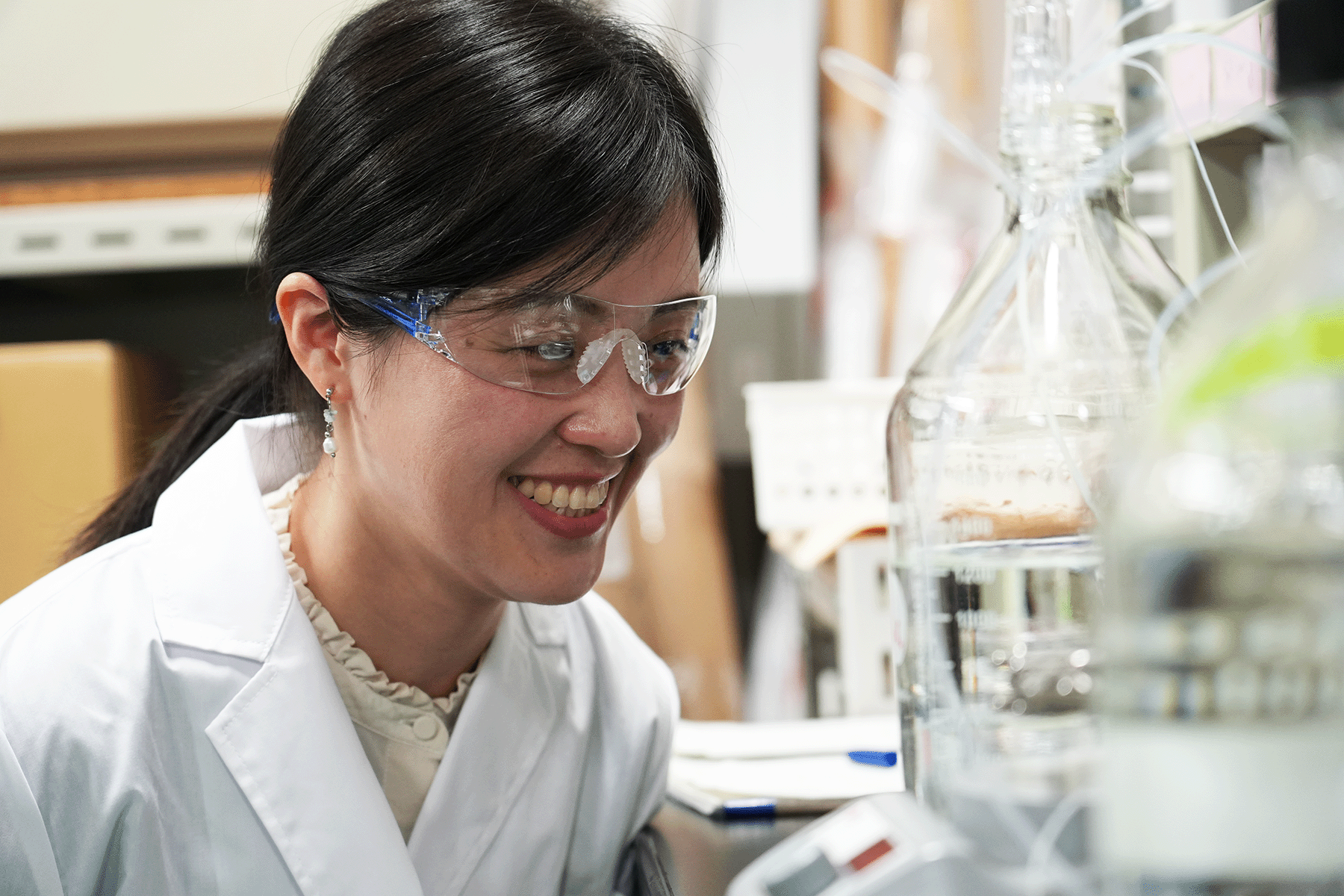
“That was the first time I noticed environmental problems in the form of water pollution.”
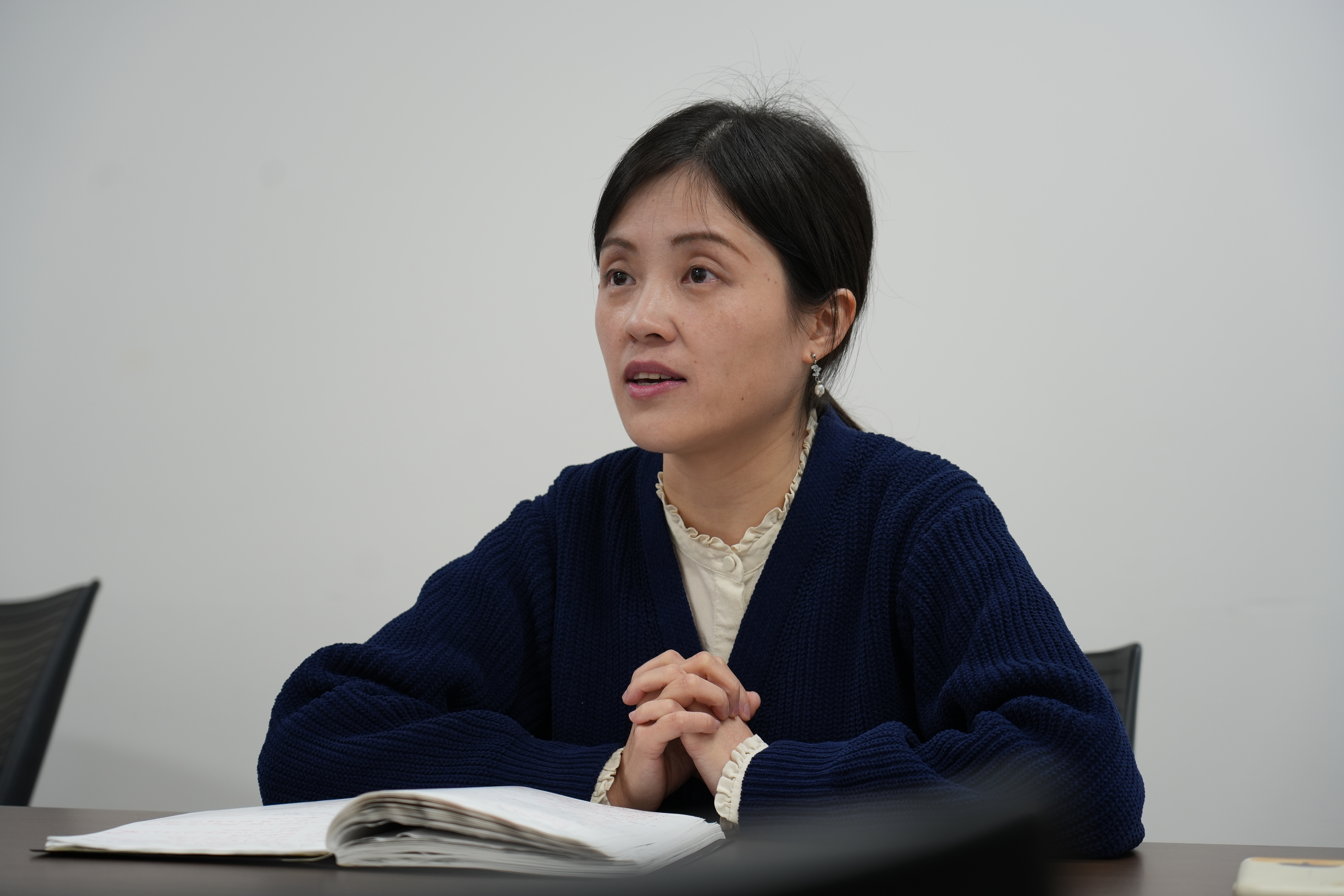
It’s often our childhood interests that serve as the basis for our passions and careers once we reach adulthood. Growing up in China, MAI Zhaohuan spent the summers with her grandparents in the countryside, often playing in the river in front of their house. She found, though, that as time went on, the river began to slowly dry up, to the point where the water was almost completely drained. “That was the first time I noticed environmental problems in the form of water pollution.”
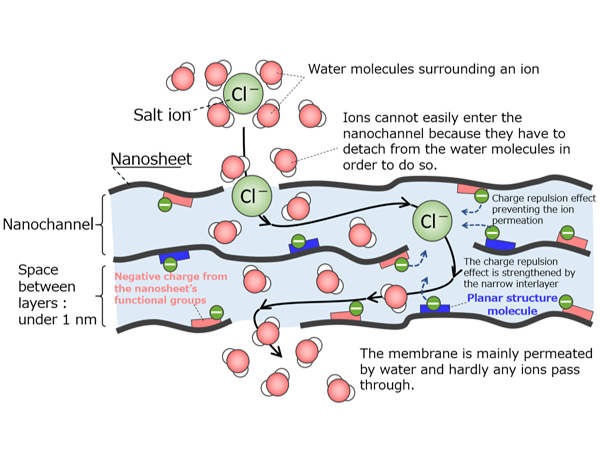
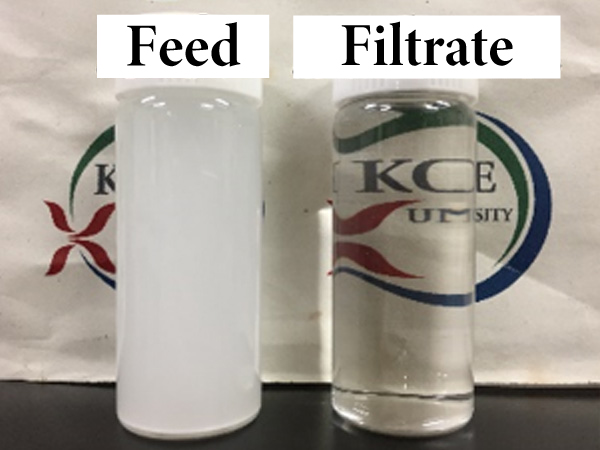
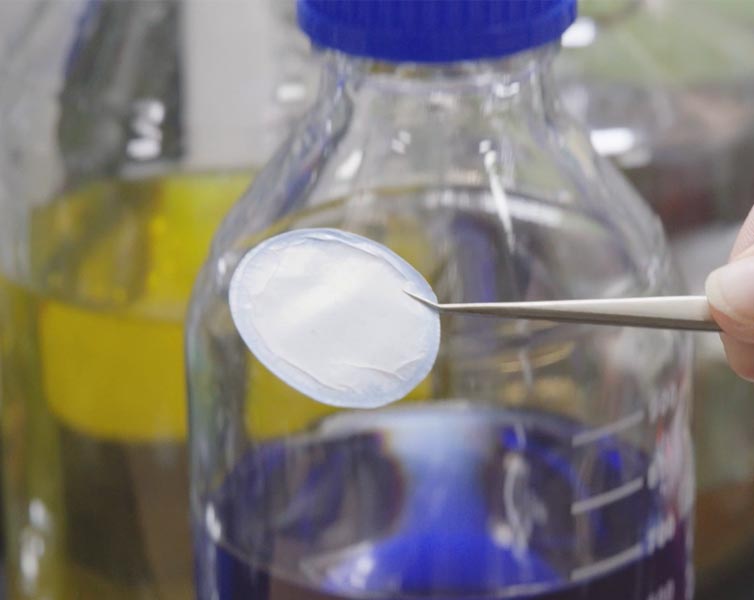
Determined to get to the bottom of the issue, Mai chose environmental science as her major at university in an endeavor to protect the water, but things didn’t go as easily as she thought they would. During her undergraduate studies, she found water systems to be quite complex, involving chemistry, physics, biology, engineering and even policy. While exploring wastewater treatment technologies during her master’s studies, however, she had a fateful encounter with the field of membrane science, which studies how porous materials work to purify gases like air and liquids like water.
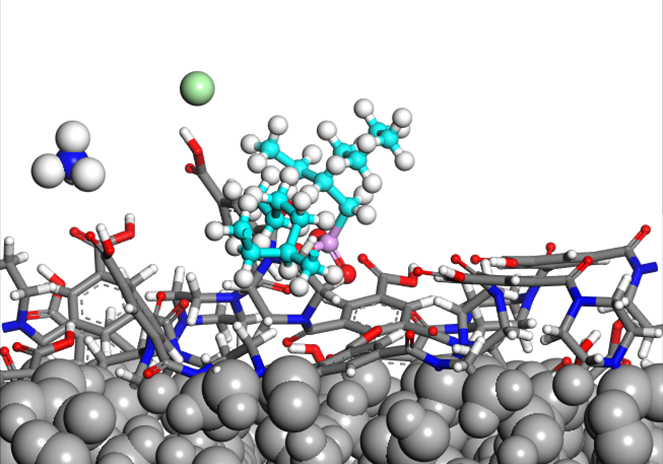
This, too, was a new field for Mai, but after her doctoral studies at Université Paris-Saclay in France and a tenure as an associate researcher in her native China, she wanted to dig deeper and learn about the makeup of membranes at the molecular level. This desire led her to pore over papers written by Professors MATSUYAMA Hideto and YOSHIOKA Tomohisa, researchers at the Kobe University Research Center for Membrane and Film Technology. Eventually, she decided to contact them directly to inquire about potential opportunities to perform research at Kobe University, and much to her delight, she was brought on board. There, her research primarily focuses on microscopic and mesoscopic simulations to understand membrane formation and transport mechanisms.
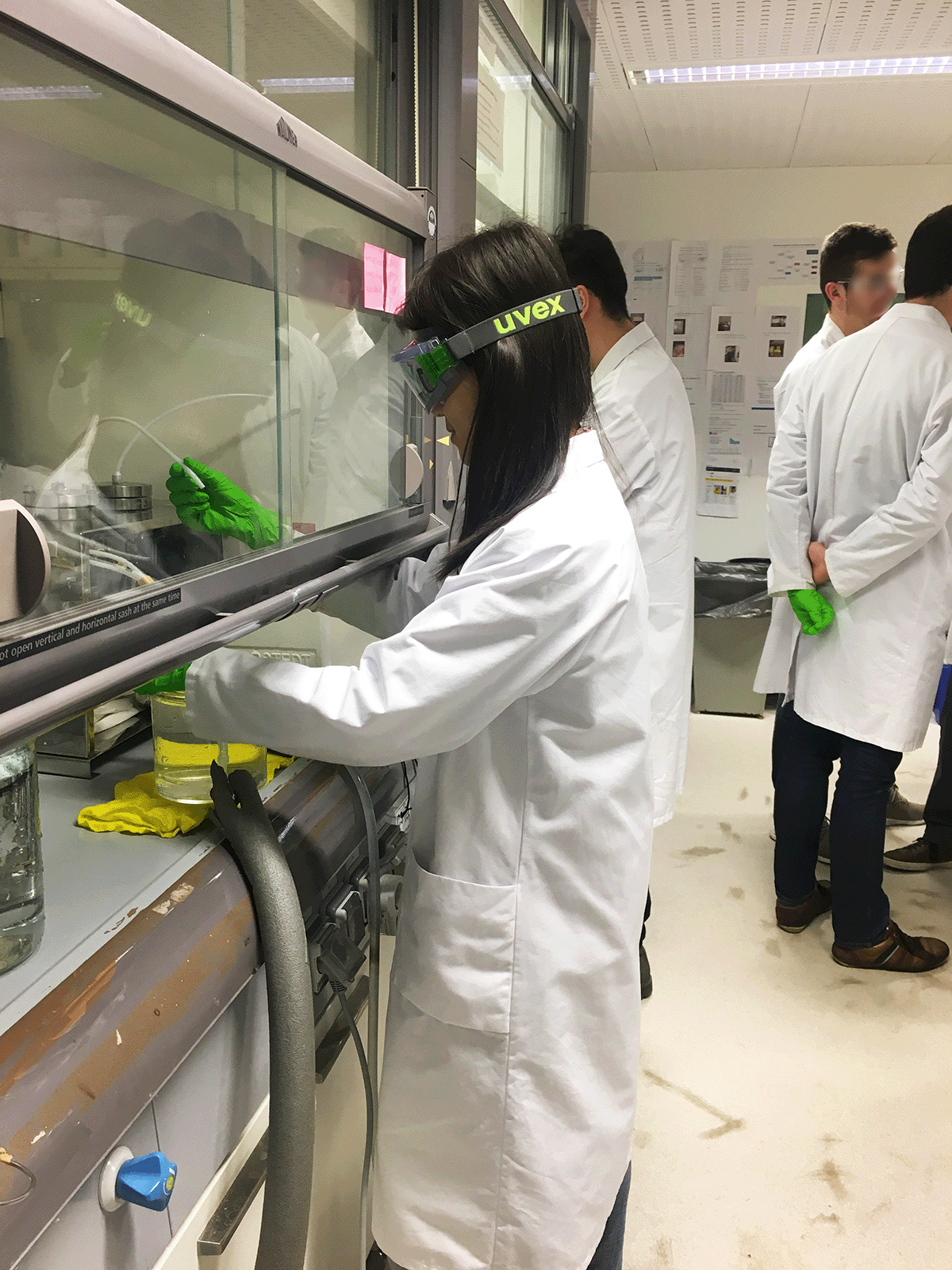
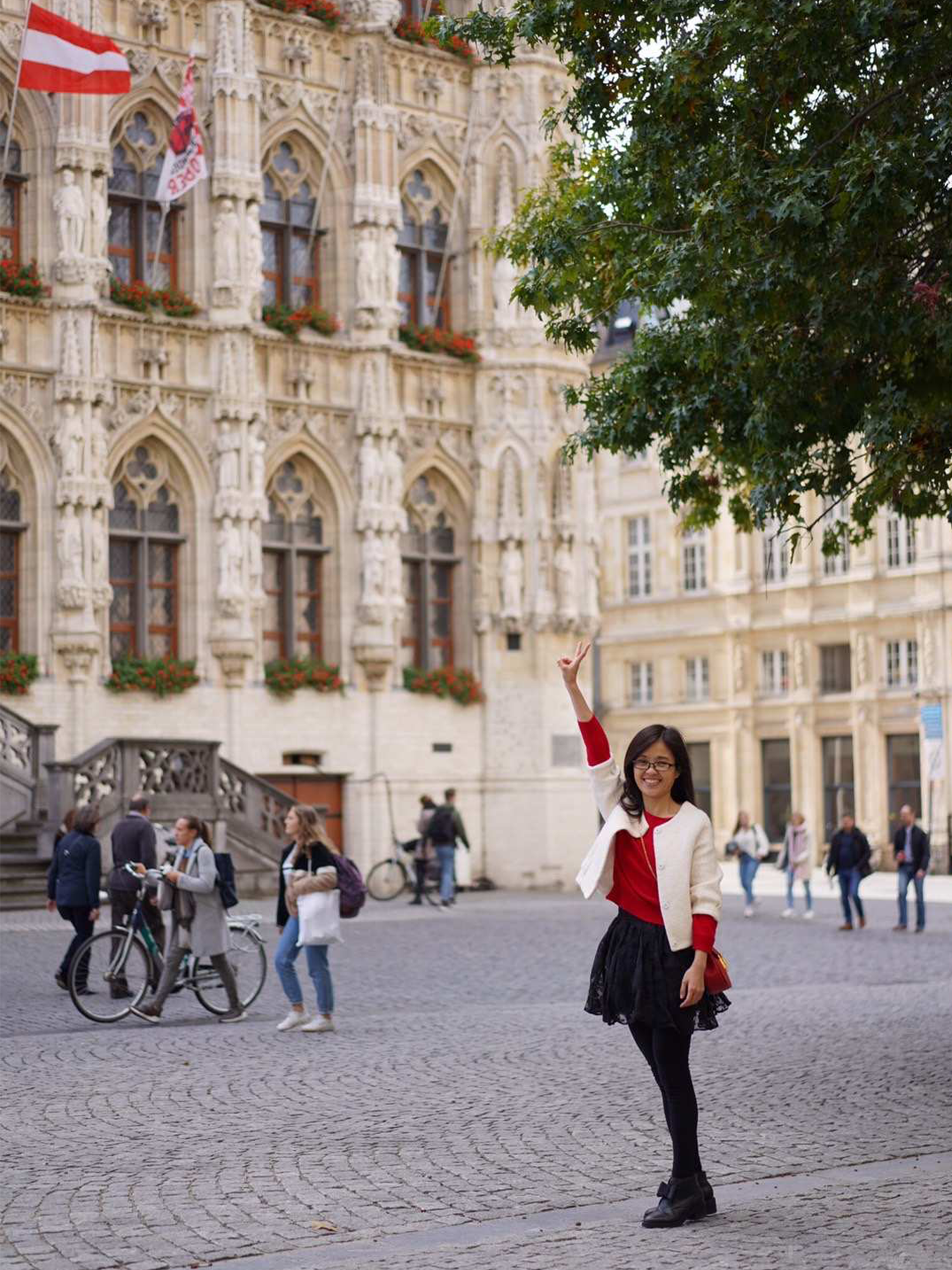
“Each place shaped me differently.”
Mai learned about more than just membrane science in her world travels, however, as each opportunity provided her with new environments filled with new ways of approaching research. From the process-oriented perspectives during her studies in French to the more result-oriented views of her research in China, she tells us that “each place shaped me differently.” But the long-term approach taken in Japan is what Mai found to be best suited for her work.
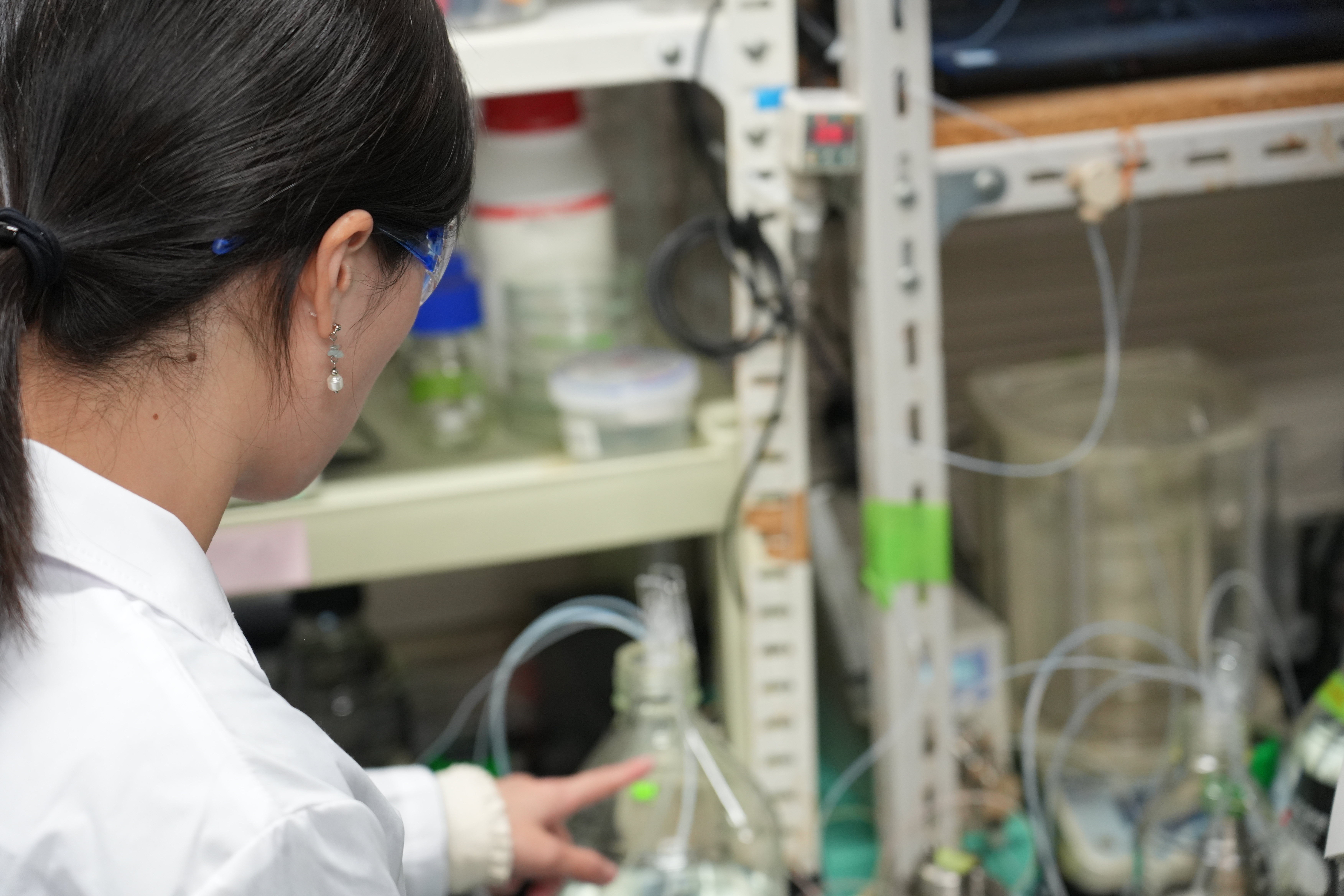
As for what has made Kobe University the perfect fit for her, on top of world-class research facilities and talent in her field, the university provides a plethora of support for researchers in their endeavors. With the help of Kobe University’s team of university research administrators (URAs), who serve to enhance research management, as well as her senior researchers and colleagues at the center, Mai was able to polish her proposal and get it accepted the year after she arrived, and she's already looking to take her research even further. With ambitions to collaborate with international institutions in the future, Mai is looking forward to calling on the URA team once again to guide her on her way.
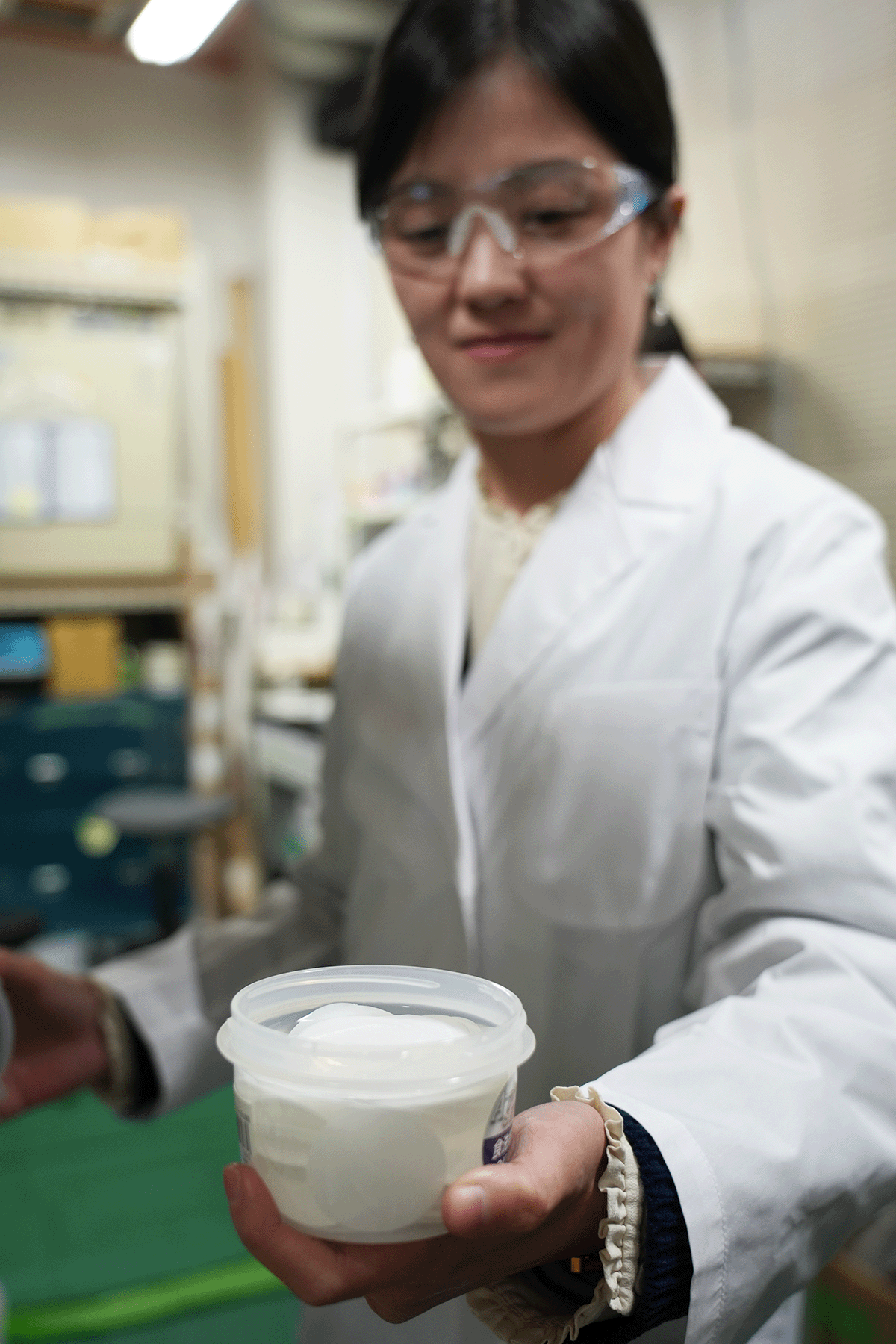
To prospective students and researchers looking to study at Kobe University, Mai has some words of encouragement: “When you want to figure something out, if you put in the time and the effort, you can succeed. Maybe not completely, but you’ll succeed in some way.” It’s small successes, then, that serve as the building blocks to an accomplished career. At the Research Center for Membrane and Film Technology, whose mission is to tackle environmental issues and contribute to key technologies through membrane research, Mai has found the perfect place to gradually build both her career and her knowledge towards accomplishing her goal of making the water of today as clean as how she remembered it as a child.