


Expansion and strategic enhancement of an international membrane engineering research consortium
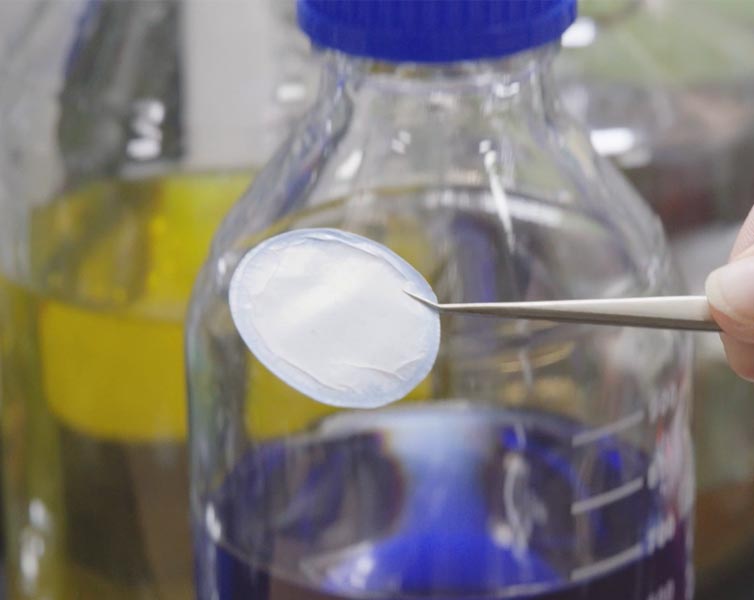
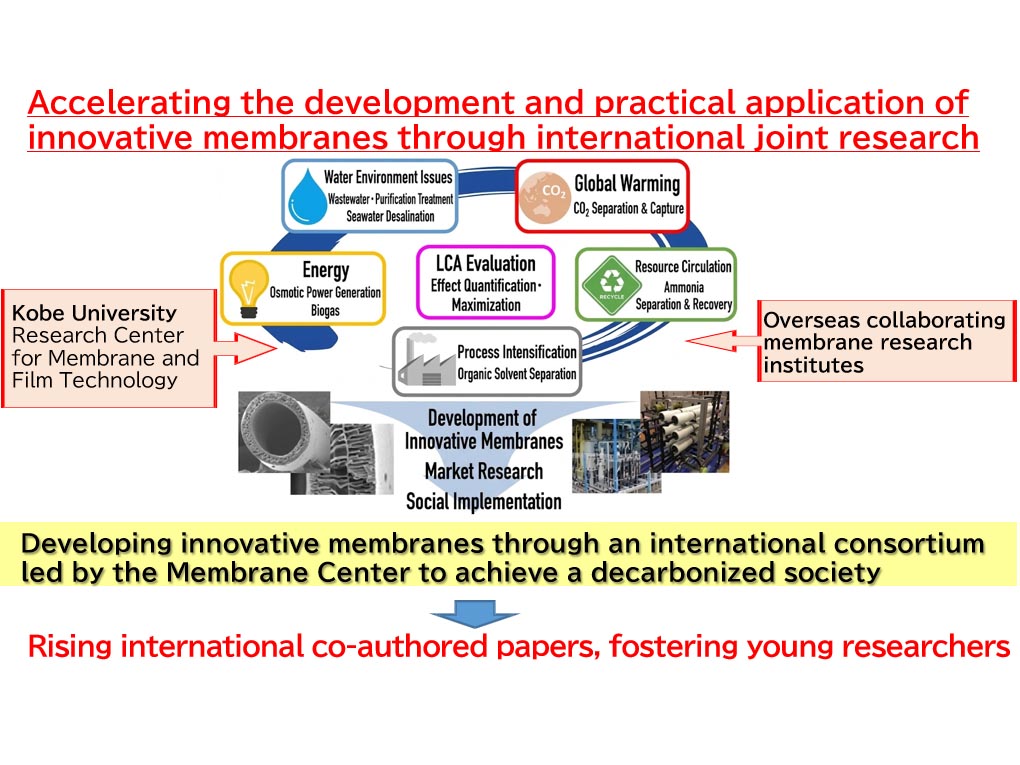
Membrane engineering is one of the leading research areas at Kobe University. Achieving carbon neutrality requires game-changing membrane technologies—such as ultra-energy-efficient separation systems—that transcend incremental performance improvements. As one of Japan’s few comprehensive research hubs in this field, we develop innovative membranes through co-creative research to address global challenges and contribute to the Sustainable Development Goals (SDGs), particularly Clean Water and Sanitation (Goal 6), Affordable and Clean Energy (Goal 7) and Climate Action (Goal 13).
Our international research consortium currently has academic agreements with 19 institutions across Asia, Australia, the United States, and Europe (as of March 2026). Leveraging this extensive network, we accelerate high-impact outcomes through joint research projects, international symposia and faculty and student exchange programs.
A cornerstone of these efforts is the annual International Workshop on Membrane in Kobe (iWMK). Since its launch in 2014, iWMK has evolved from a forum for information exchange into a strategic platform to initiate international research projects and promote the mobility of young researchers. These activities have led to a steady increase in co-authored publications with international partners. Moving forward, we will continue to utilize this research center as a strategic base to further deepen global collaboration and drive internationally competitive membrane research initiatives.
Watch the short version on YouTube
For a playlist of all videos in this series, follow the links below:
Project period
2025.04.01 ~ 2028.03.31
SDGs
SHARE


Researchers



Similar projects
- Building a Biosynthetic Reaction Atlas for advanced biomanufacturing
- International membrane consortium on research and education strives for sustainable and carbon-neutral societies
- Creating an international innovation hub for engineering biology
- International consortium on ‘Mie-tronics’: a new emerging field of nanophotonics
- Establishing the Kobe International Research Hub for Nanophotonics
- Establishing and advancing the global “photosynthesis and oxygen” consortium and catalyzing its societal implementation