

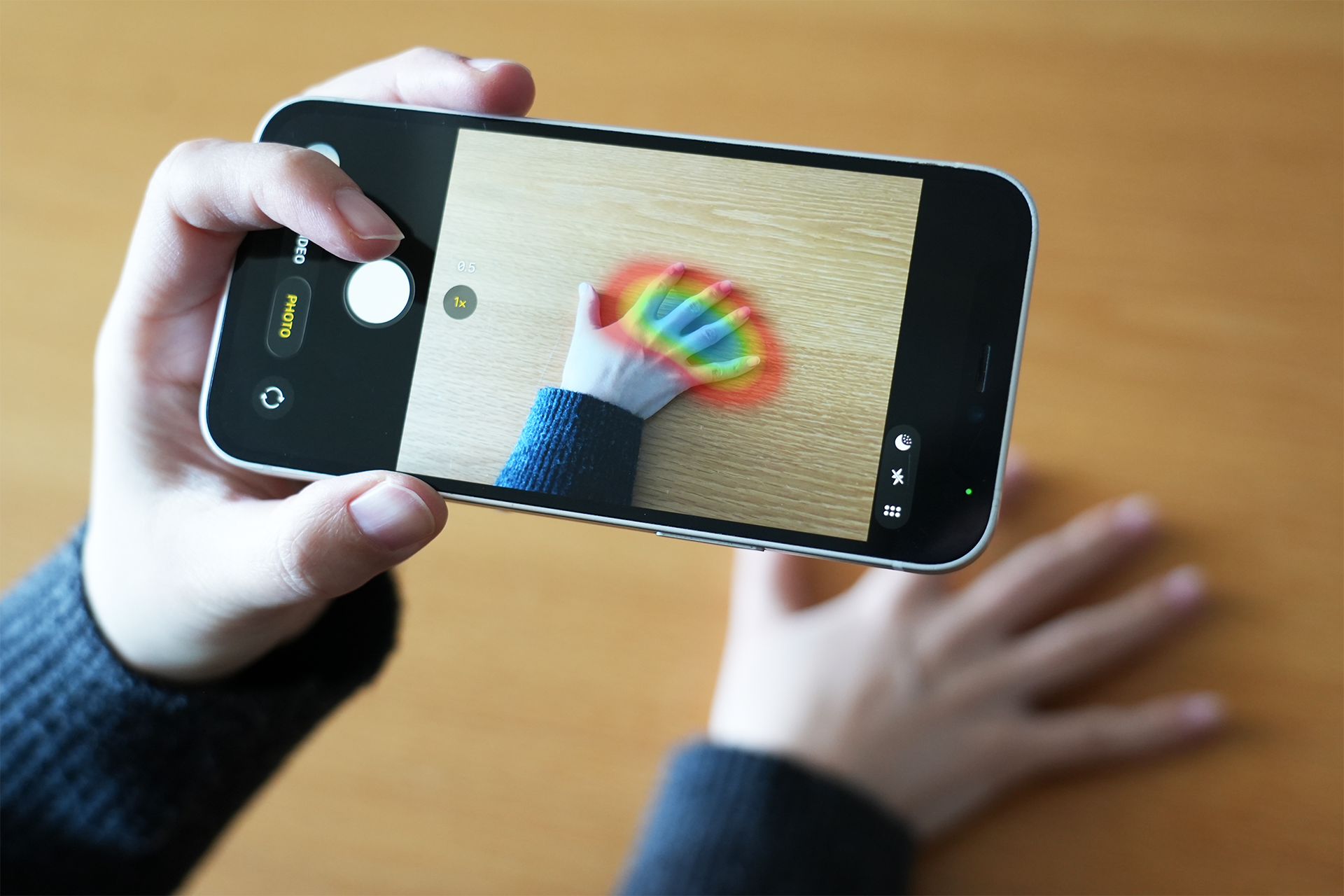
An AI can accurately diagnose a rare endocrinological condition just by analyzing pictures of the back of the hand and the clenched fist. The privacy-conscious achievement by Kobe University holds promise for establishing more efficient referral systems and reducing healthcare disparities across communities.
Acromegaly is a rare, intractable disease usually setting in in middle age that causes the hands and feet to grow bigger, changes the facial appearance and also has effects on bone and organ growth throughout the body. The condition, which is caused by overproduction of growth hormone, proceeds slowly over decades, but if left untreated may cause life-threatening complications resulting in one’s life expectancy reduced by about 10 years. “Because the condition progresses so slowly, and because it is a rare disease, it is not uncommon to take up to a decade for it to be diagnosed,” says Kobe University endocrinologist FUKUOKA Hidenori. He further explains, “With the progress of AI tools, there have been attempts to use photographs for early detection, but they have not been adopted in clinical practice.”
Upon examining current AI research challenges, the group found that most rely on facial photographs, which can be the cause of privacy concerns. OHMACHI Yuka, a Kobe University graduate student, says, “Trying to address this concern, we decided to focus on the hands, a body part we routinely examine alongside the face in clinical practice for diagnostic purposes, particularly because acromegaly often manifests changes in the hands.” They decided to double down on privacy, though, by using images only of the back of the hand and the clenched fist, avoiding the more individual palm line patterns. This enabled them to enlist the support of 725 patients across 15 medical facilities across Japan, who donated over 11,000 images to train and validate their AI model.
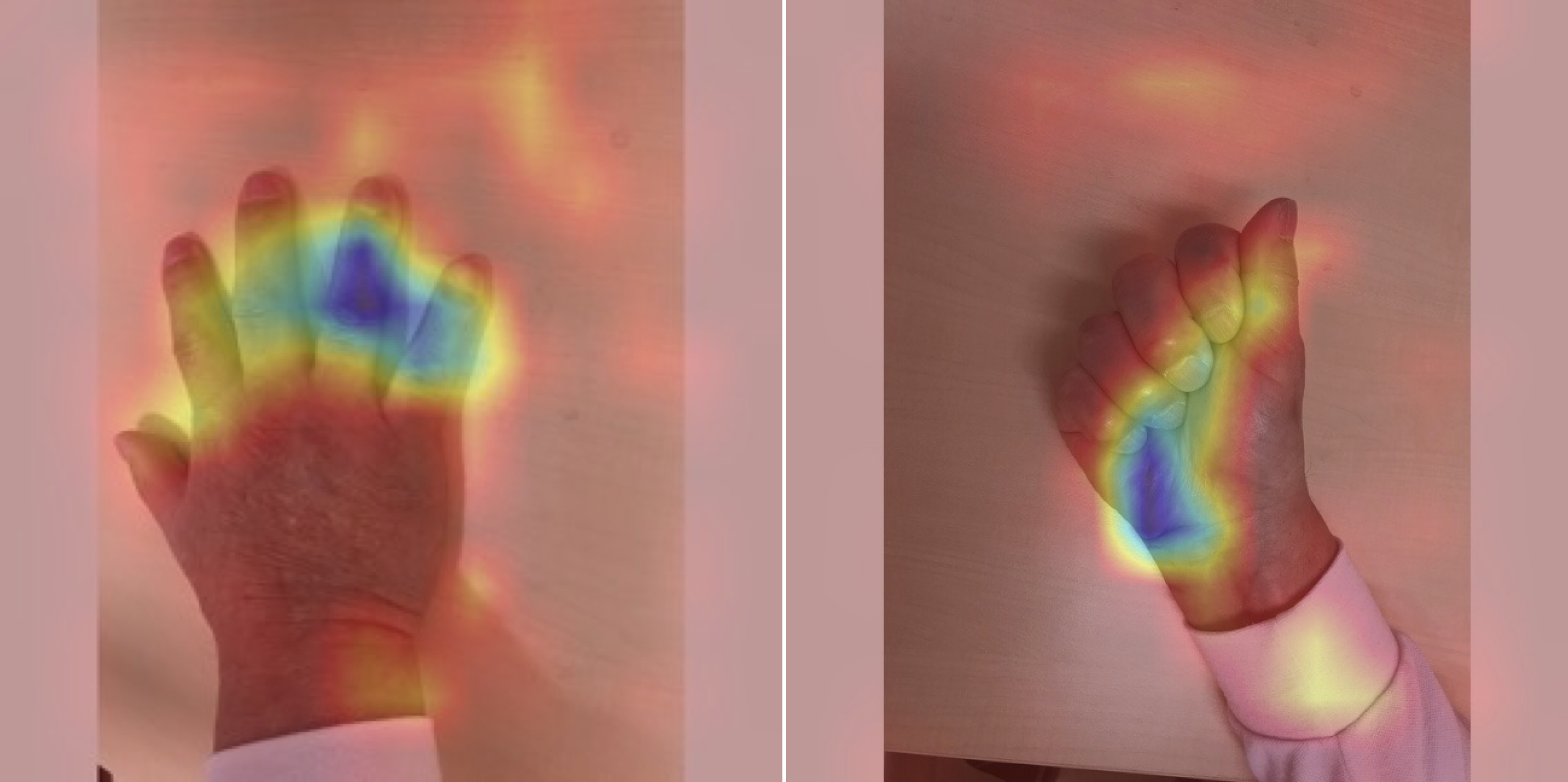
In the Journal of Clinical Endocrinology & Metabolism, the Kobe University team now publishes that their model recognizes the condition with very high sensitivity and specificity. In fact, their model outperforms even experienced endocrinologists asked to evaluate the same photographs. “Frankly, I was surprised that the diagnostic accuracy reached such a high level using only photographs of the back of the hand and the clenched fist. What struck me as particularly significant was achieving this level of performance without facial features, which makes this approach a great deal more practical for disease screening,” says Ohmachi.
The group identifies their next step as extending their model to other conditions identifiable through such photographs, such as rheumatoid arthritis, anemia and finger clubbing. Ohmachi says, “This result could be the entry point for expanding the potential of medical AI.”
In medical practice, doctors don’t use just hand images for diagnosis, but rely on a broad range of factors and data. The Kobe University team therefore sees their newly developed model as a chance to “complement clinical expertise, reduce diagnostic oversight and enable earlier intervention,” as they write in their paper. Study lead Fukuoka says: “We believe that, by further developing this technology, it could lead to creating a medical infrastructure during comprehensive health check-ups to connect suspected cases of hand-related disorders to specialists. Furthermore, it could support non-specialist physicians in regional healthcare settings, thus contributing to a reduction of healthcare disparities there.”
Acknowledgements
This research was funded by the Hyogo Foundation for Science Technology. It was conducted in collaboration with researchers from Fukuoka University, Hyogo Medical University, Nagoya University, Hiroshima University, Toranomon Hospital, Nippon Medical School, Kagoshima University, Tottori University, Yamagata University, Okayama University, Hyogo Prefectural Kakogawa Medical Center, Hokkaido University, International University of Health and Welfare, Moriyama Memorial Hospital and Konan Women’s University.
Original publication
Y. Ohmachi et al.: Automatic Acromegaly Detection Using Deep Learning on Hand Images: A Multicenter Observational Study. The Journal of Clinical Endocrinology & Metabolism (2026). DOI: 10.1210/clinem/dgag027
Release on EurekAlert!
AI accurately spots medical disorder from privacy-conscious hand images
Inquiries
For inquiries, please contact gnrl-intl-press[@]office.kobe-u.ac.jp